How to Spot Roof Wind Damage After a Nor'easter on the Jersey Shore
How to Spot Roof Wind Damage After a Nor'easter on the Jersey Shore
June 13, 2026
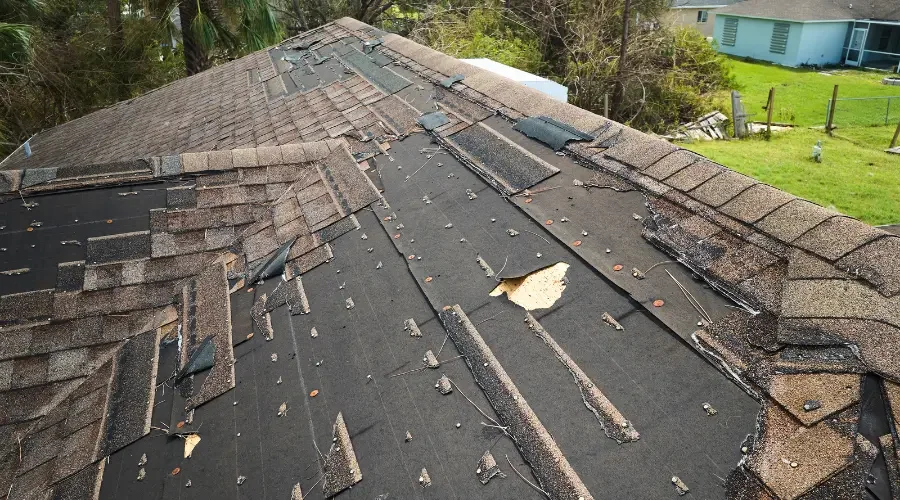
A nor'easter can do a number on your roof without ripping off a single shingle. Most wind damage on the Jersey Shore is the kind you can't see from the driveway. That's why a wind damage roof inspection in NJ matters so much after a big storm. Here's how to spot the warning signs early, and what to do before a small problem turns into a soaked ceiling.
How Nor'easter Wind Actually Damages Roofs
Wind doesn't have to tear a roof apart to hurt it. A strong gust lifts the edge of a shingle, breaks the sealant strip that holds it down, and drops it back into place. From the ground, the roof still looks fine. But that seal is broken now, and the next rain rides the wind right under the shingle.
Here on the coast, the wind comes from two directions. You get gusts off the Atlantic and gusts pushing back across Barnegat Bay. So even if the storm looked like it hit the ocean side, the bay-facing slope can take just as much of a beating. After a nor'easter, check the bay side of your house first.
Signs You Can Spot Safelt from the Ground
You don't need to climb up to look for trouble. Stand back in the yard and look for:
Shingles that are lifted, curled, or creased
Bare spots where shingles are missing
Shingle pieces or loose granules in the gutters or on the ground
Bent or lifted flashing around chimneys and vents
Dark streaks or stains on the siding under the roofline
Inside, check your ceilings and your attic. Water stains, damp insulation, or daylight coming through the roof boards all point to a problem.
Signs Only A Pro Will Catch
Some of the worst wind damage hides in plain sight. A creased shingle can look okay but fail in the next storm. Nails can back out and leave tiny holes. The seal under a whole row of shingles can be broken even though nothing looks loose. A trained roofer knows where to look, and can tell real storm damage from normal aging.
This matters for more than your roof. If you ever file an insurance claim, the adjuster will look hard for any sign the damage was old. Clear photos and a written report from a roofer help you show the damage came from the storm, not from years of wear.
On older shore roofs, this gets tricky. Years of salt air and repeated nor'easters wear shingles down, so fresh storm damage and slow age damage can sit right next to each other. A roofer who works the coast every day can sort out which is which, and put it in writing for you before you call your carrier.
What to do If You Find Damage
Don't climb a wet or storm-damaged roof. It isn't worth the risk.
Take photos from the ground of anything that looks off.
Move valuables away from any indoor leak and put a bucket under the drip.
Call a licensed local roofer for a full inspection.
If water is already getting in, ask about emergency tarping. A tarp buys you time and stops more water from coming in while you plan the real repair.
Why A Quick Inspection Beats Waiting
It's tempting to wait and see. But wind damage gets worse fast once the seal is broken. A free inspection right after the storm tells you exactly where you stand. If nothing's wrong, you get peace of mind. If something is wrong, you catch it while it's still small, and you've got the photos and report you need before you ever call your insurance company.
Frequently Asked Questions (FAQs)
How do I know if a nor'easter damaged my roof?
Look for lifted, curled, or missing shingles, granules in the gutters, and bent flashing. Check the attic for water stains or daylight. A lot of wind damage hides from the ground, so a free roof inspection is the surest way to know.
Can wind damage a roof without blowing shingles off?
Yes. Wind often breaks the sealant that holds shingles down without moving them at all. The shingle looks fine, but the seal is gone, and the next rain leaks underneath. That's why hidden wind damage is so common.
Should I get a roof inspection after every big storm?
Yes, after any nor'easter or high-wind event. Catching a broken seal early is far cheaper than fixing water damage later. Our inspections are free, so there's no downside to checking.
Do you offer free roof inspections after storms in NJ?
Yes. GRM Roofing offers free roof inspections across Ocean County. We take photos so you can see the damage yourself and use them if you need to file a claim. Call (609) 389-2485.
How soon should I check my roof after a nor'easter?
As soon as it's safe and the weather has cleared. The sooner you find a broken seal or a lifted shingle, the less chance water has to get in and spread.
Does GRM provide emergency tarping if there's damage?
Yes. If your roof is open or leaking, we can tarp it to stop more water from getting in while we plan the full repair. Call (609) 389-2485 as soon as you can.
Will my insurance cover wind damage to my roof?
Usually, if a storm clearly caused it. But some coastal NJ policies carry a separate wind deductible, or limit wind and hail coverage. Check your declarations page to be sure. We document the damage with photos so you have what you need to file.
Spotted a problem after the storm?
Don't wait for the next rain. Call GRM Roofing at (609) 389-2485 for a free wind damage roof inspection anywhere in Ocean County.