How to File a Roof Insurance Claim After Storm Damage in New Jersey
How to File a Roof Insurance Claim After Storm Damage in New Jersey
May 2, 2026
The storm is over. Now you're standing in your kitchen looking at water stains on the ceiling. The damage is already done — the question now is what to do next. This is a five-step guide to moving through the insurance claim process in NJ without making it harder on yourself. It's a general guide, not legal advice. For specifics, always consult your policy and your insurer directly.
Step 1 — Protect the Roof Before You Call Anyone
Don't go up on the roof yourself — especially right after a storm. Wet shingles, weakened decking, and debris make it dangerous even if the house looks fine from the driveway.
If water is actively coming in, place buckets, move valuables and electronics out from under the affected area, and document what you see before touching anything.
If there's significant open damage — a tree through the roof, major shingle loss, visible sky — getting that area covered is the priority. That's what emergency roof tarping is for. G.R.M. Roofing offers 24/7 emergency service for Ocean County homeowners. Emergency roof repair is also available for situations that can't wait.
Step 2 — Document the Damage (This Is Critical)
Before anything is repaired or cleaned up, photograph everything. Insurance adjusters work from documentation — the more thorough yours is, the stronger your starting position.
What to photograph:
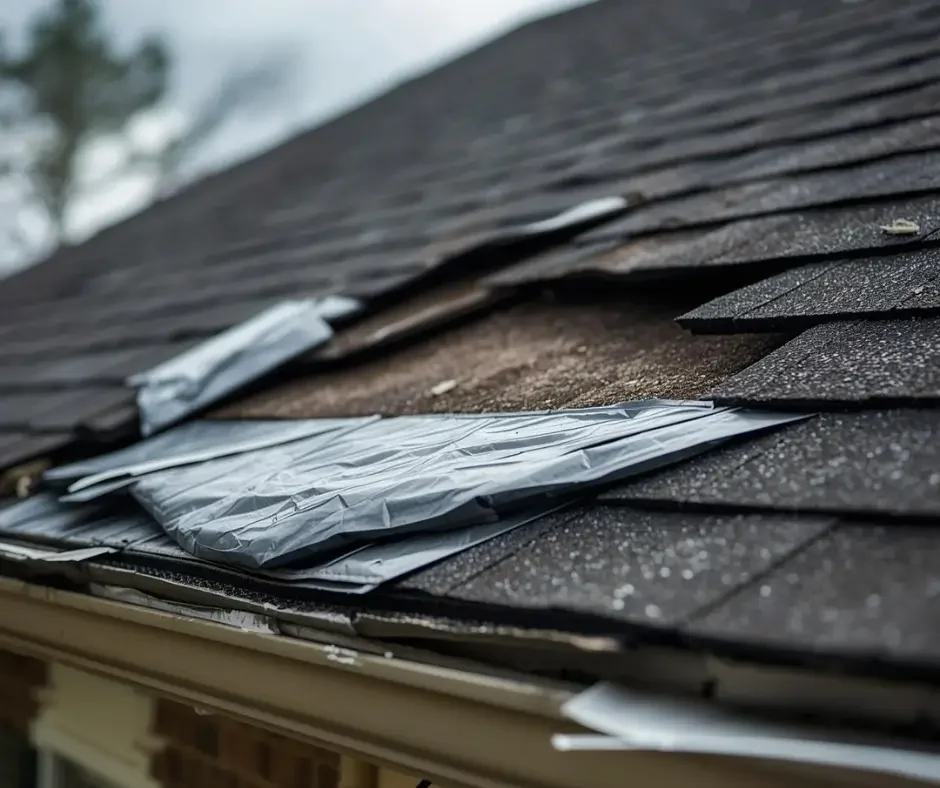
Exterior: damaged shingles, missing sections, damaged flashing, gutters, fascia, any debris still on the roof
Interior: water stains on ceilings or walls, wet insulation in the attic if you can safely access it, any personal property that was damaged
The timeline: note the date and type of the storm in writing. Use date-stamped photos where possible.
Don't clean up, don't throw anything away, and don't start repairs before you've documented the damage. That record is what the adjuster will use to evaluate your claim.
Step 3 — Call Your Insurance Company
Report the claim as soon as possible after documenting the damage. Most NJ homeowners policies have a reporting window — check yours and don't assume you have unlimited time.
When you call, have ready: your policy number, the date and general type of the storm (wind, hail, fallen tree), and your photo documentation.
What to say: describe what you observed. Don't estimate the cause of the damage or guess at repair costs. That's the adjuster's job. Your job is to report what happened and what you can see.
Step 4 — Schedule a Professional Roof Inspection
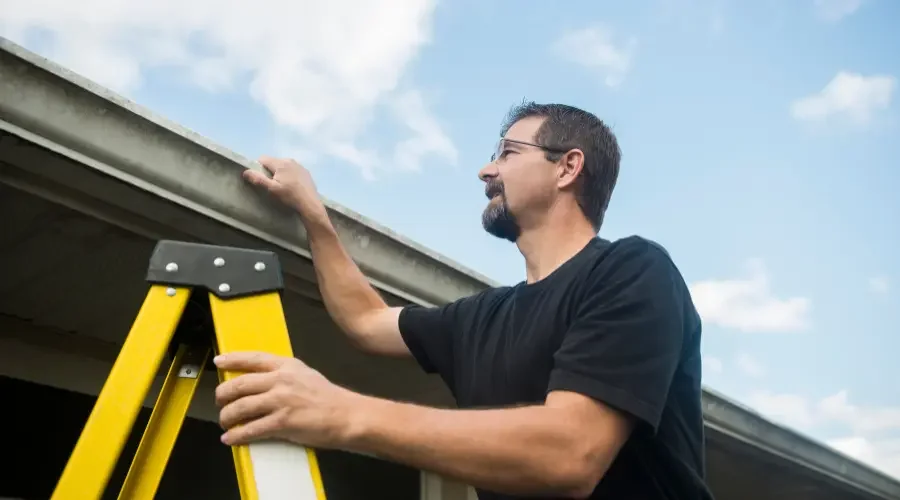
Before the insurance adjuster visits, get your own independent assessment from a qualified roofer. An adjuster works for the insurance company. A roofer working for you is documenting the damage from your side.
G.R.M. Roofing provides free roof inspections for Ocean County homeowners. We'll document the damage in writing and give you a photo record to bring into the claims process. This step often makes a real difference in how the claim is valued.
Step 5 — Get a Contractor's Estimate
The adjuster's estimate and a licensed contractor's estimate don't always match. Adjusters sometimes underestimate the full scope of the repair — particularly with older homes where underlying issues only become visible once work starts.
A written estimate from a licensed contractor gives you documentation to push back if the adjuster's number falls short. G.R.M. Roofing works with most major insurance carriers. We handle storm and wind damage roof repair throughout Ocean County and provide the written estimate the adjuster needs — one that reflects the actual scope of the job.
What Insurance Usually Does and Doesn't Cover in NJ
This is general guidance — always read your specific policy.
Generally covered: sudden damage from wind, hail, fallen trees, or other storm events.
Generally not covered: wear and tear, age-related deterioration, pre-existing damage, or damage from improper installation. If your roof was already failing before the storm, the insurer may dispute coverage for the underlying issue even if the storm made it worse.
One practical tip: if you haven't had a roof inspection in the past year or two, having one done before storm season gives you a documented baseline. That baseline can matter if you ever need to demonstrate that damage was storm-related, not pre-existing.
Frequently Asked Questions
How long do I have to file a roof damage claim in New Jersey?
Most homeowners insurance policies in NJ require you to file promptly — typically within one year, though some are shorter. Check your policy and contact your insurer as soon as possible after a storm.
Will filing a roof damage claim raise my homeowners insurance?
It depends on your insurer, your claim history, and whether the damage was weather-related. A single storm claim on a clean record often has minimal impact, but ask your agent before filing.
Can a roofer help with the insurance claim process?
Yes. G.R.M. Roofing works with most major insurance carriers and can provide a detailed damage assessment and written estimate to support your claim. We help homeowners understand what's covered and what the adjuster will need.
Call (609) 389-2485 for a free inspection to document the damage before your adjuster visits. Monday through Friday, 7AM to 7PM.