Hurricane Season Roof Prep Coastal NJ: A Little Egg Harbor Homeowner's Guide
Hurricane Season Roof Prep Coastal NJ: A Little Egg Harbor Homeowner's Guide
Aug 7, 2026
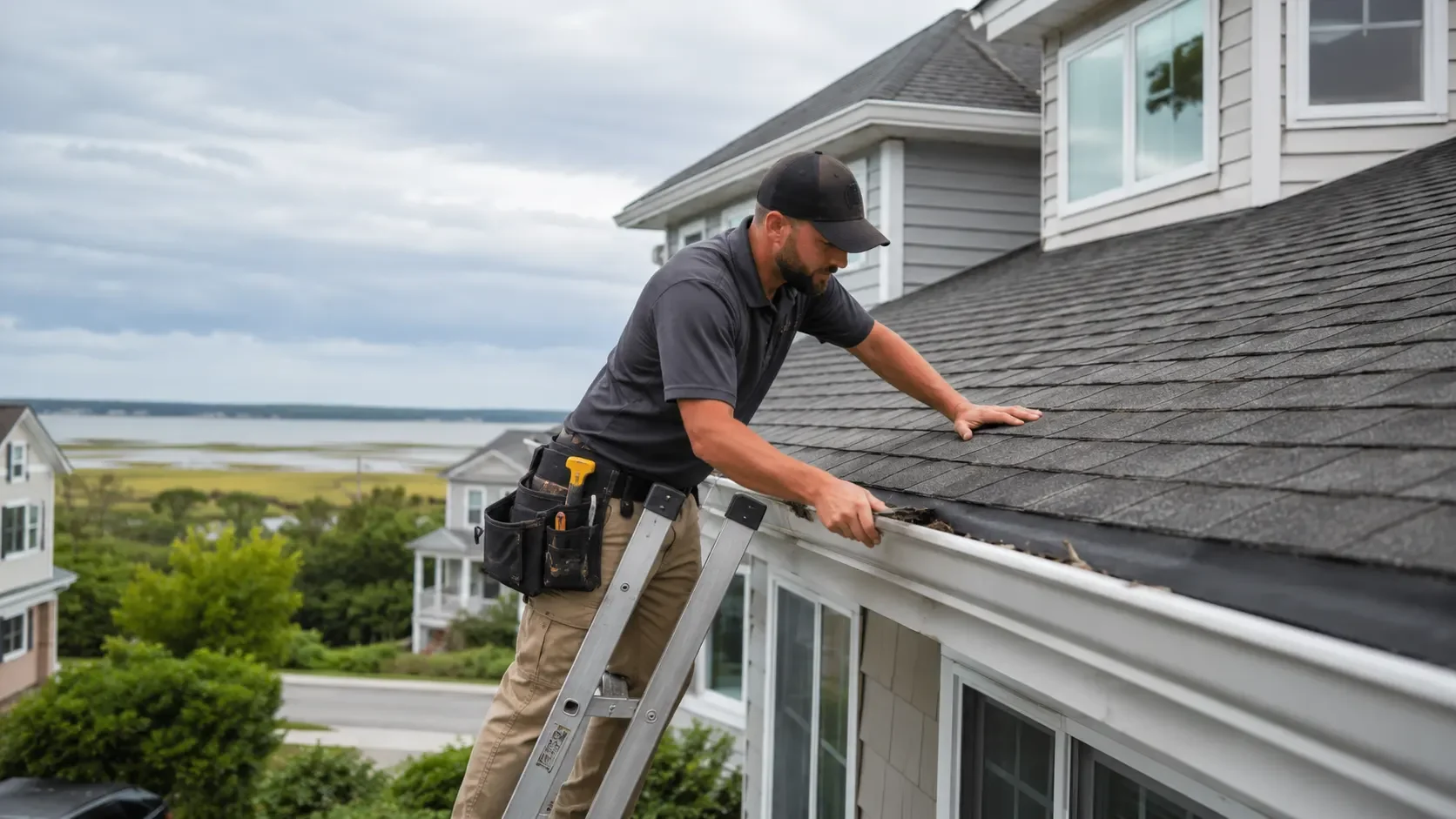
What Hurricane Season Roof Prep Involves
Hurricane season roof prep in coastal NJ isn't one job. It's a handful of small checks that add up to a roof that can take a beating. Living near the water in Little Egg Harbor means your roof deals with salt air, heavy wind, and sudden storms every single year. And most homeowners don't think about their roof until a storm is already on the way. By then, it's too late to fix loose shingles or clogged gutters the right way.
We think of prep as three jobs working together: inspection, cleaning, and small repairs. Skip one, and the other two don't matter as much.
The Inspection Comes First
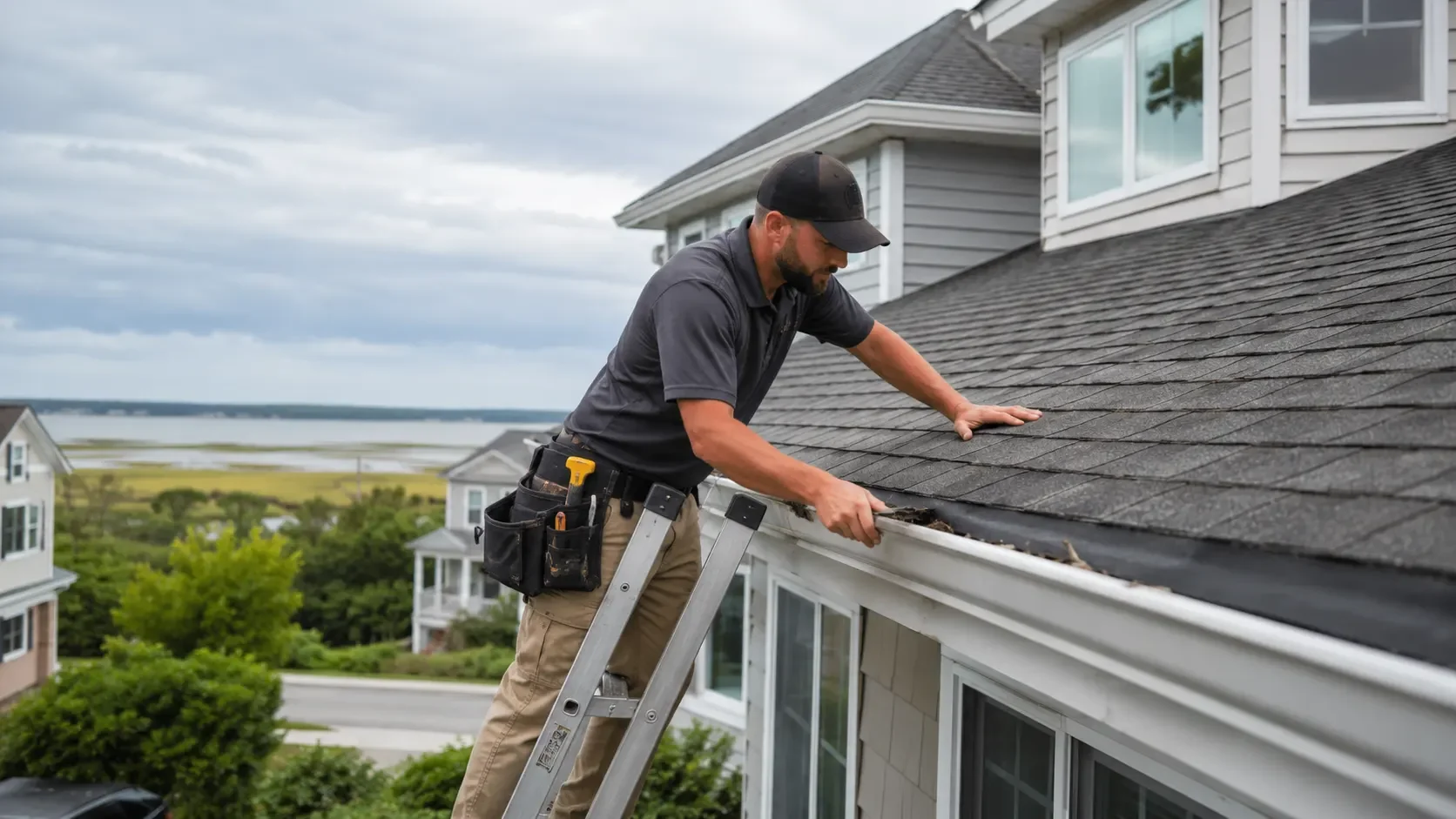
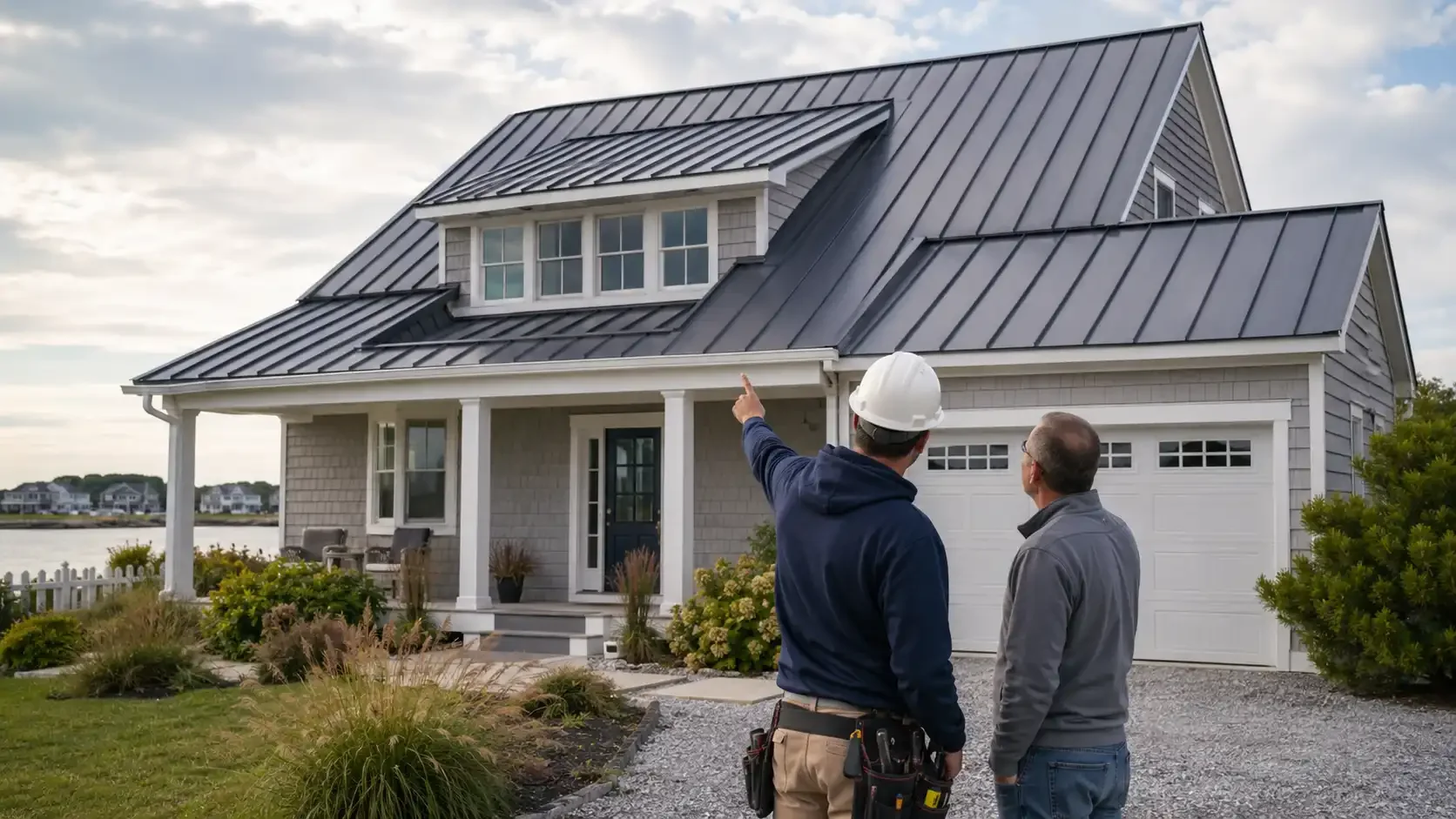
A real inspection means someone gets up there and looks. Not just a glance from the driveway. We check the shingles for lifting edges, look at flashing around chimneys and vents, and check the roof deck for soft spots. Salt air speeds up wear on nails and metal flashing near the Jersey Shore, so we pay close attention to those spots. This is the step most people skip, and it's the one that catches problems before wind gets under a loose shingle and rips off a whole section.
Here's what a solid prep visit usually covers:
Checking shingles, tiles, or metal panels for damage or lifting
Looking at flashing around chimneys, skylights, and vent pipes
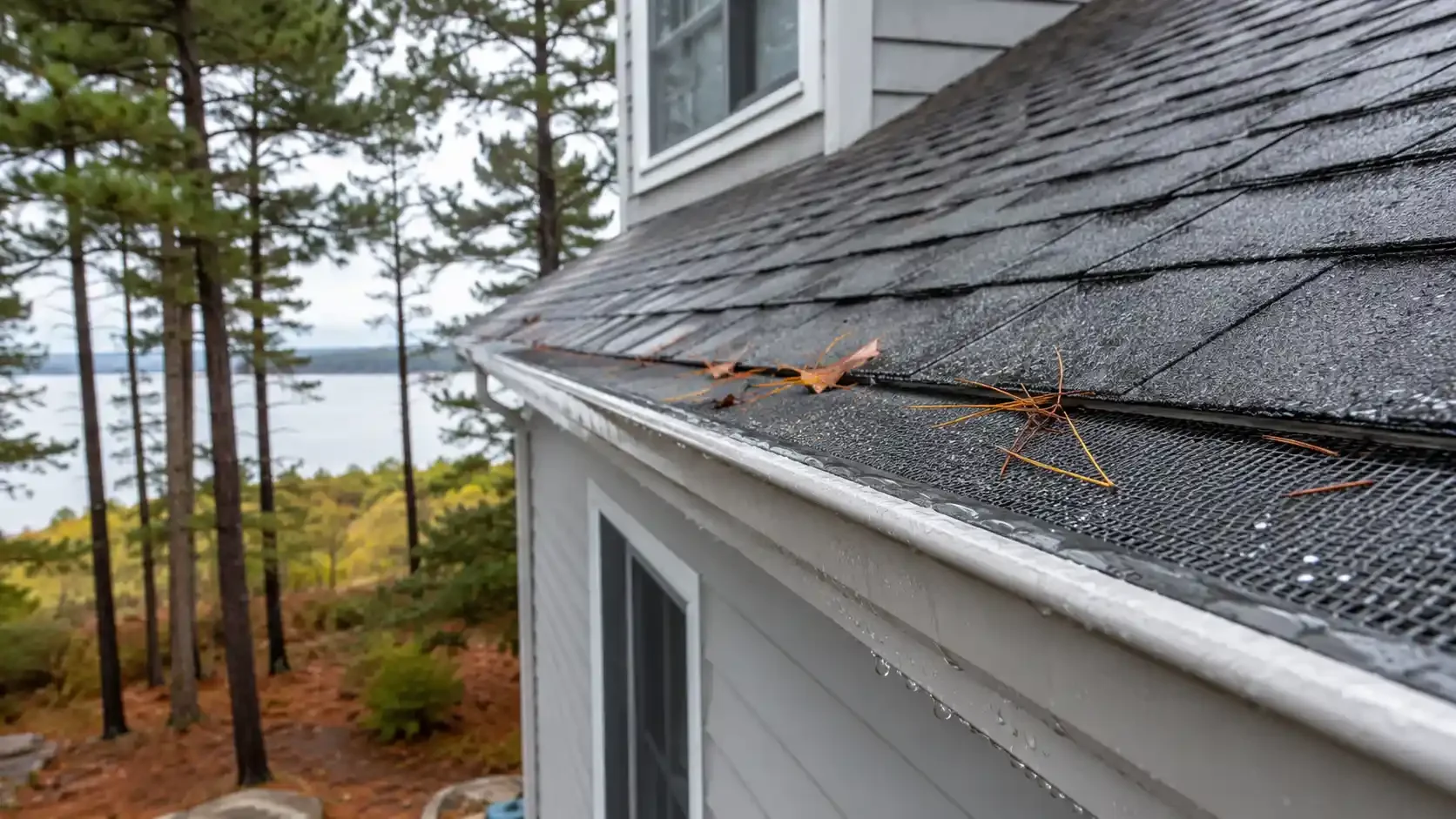
Clearing gutters and downspouts so water has somewhere to go
Checking the attic for signs of water stains or trapped moisture
Looking at soffits and fascia boards for soft or rotting wood
Gutters matter more than people think. A clogged gutter during a storm means water backs up under the roof edge instead of draining away. It's a common problem: gutters full of leaves from last fall, right when a tropical storm rolls through in September.
Small Repairs Now Beat Big Repairs Later
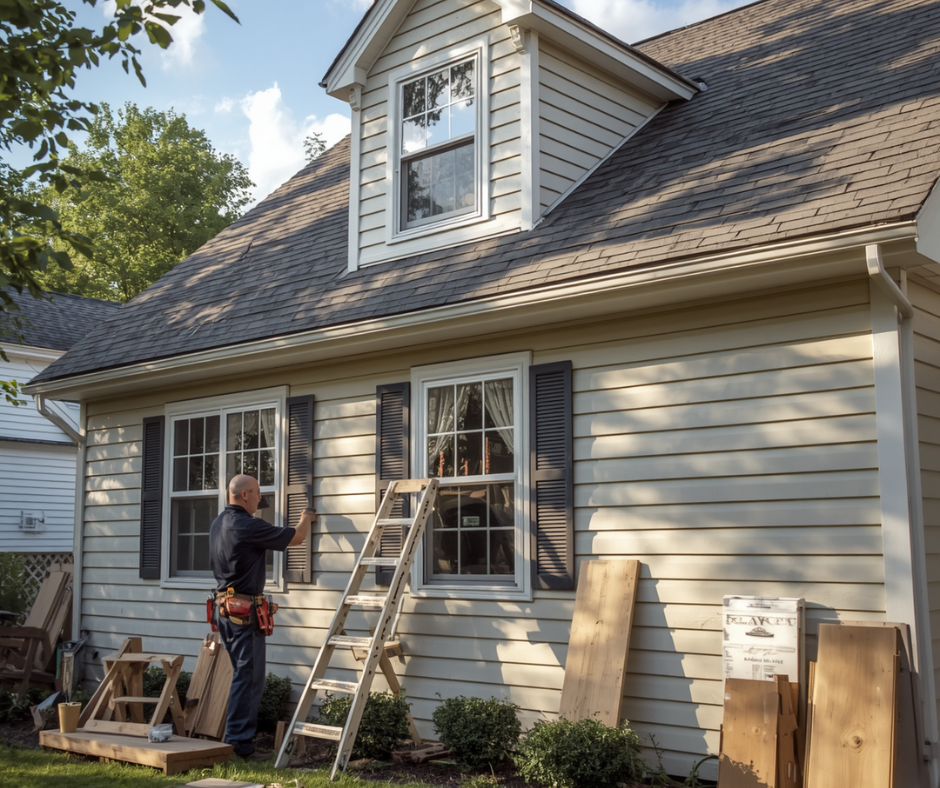
Once the inspection turns up problems, the next step is fixing the small stuff before the season gets going. A lifted shingle might take twenty minutes to reseal. Left alone through one wind event, that same spot can turn into a full section of missing shingles and a leak into your ceiling. Loose flashing works the same way. It's cheap to fix now, expensive to fix after water gets behind it.
We also look at attachment points, the nails and fasteners holding everything down. Coastal wind doesn't need much of a gap to start working a shingle loose. Once it starts, it doesn't stop on its own.
Think about a home on the bay side, one with an older roof that's seen a few seasons of salt spray. The shingles look fine from the ground. But up close, the nail heads are rusted and a few tabs have started to curl. That roof isn't ready for a category one storm, let alone anything stronger. A quick prep visit catches that before it becomes an emergency call at 2am during a storm.
Roof prep isn't about predicting exactly what a storm will do. It's about making sure your roof isn't the weak point when the wind picks up.
Why Bay-Facing and Oceanfront Homes Face Different Storm Risks
Little Egg Harbor sits right on the bay, and that changes how storms hit your roof. Bay-facing homes deal with different wind patterns than homes on the open ocean. The water is calmer most days, but when a storm rolls in, wind can whip across the bay with almost nothing to slow it down. We've inspected roofs after storms in areas near Mystic Islands and along the Great Bay shoreline, and the damage often surprises homeowners who thought being "off the ocean" meant being safer.
Here's the thing about bay winds. They tend to shift direction fast during a storm. One hour it's blowing from the southeast, the next it's coming straight from the north. Your roof gets hit from angles it wasn't built to handle in a single day. This is different from oceanfront exposure, where wind direction is usually more steady but the force itself is stronger and more constant. Bay homes get variety. Ocean-adjacent homes get intensity. Both wear down a roof, just in different ways.
Salt Air Doesn't Care Which Side of the Barrier Island You're On
Salt air travels. It doesn't stop at the edge of the bay. Every roof in Little Egg Harbor breathes in some amount of salt moisture, and over time that moisture works on your flashing, your fasteners, and your shingles. And it works faster than most people expect. Many homeowners assume salt damage is only an oceanfront problem. It's not. Bay air carries plenty of it too, just at a slower pace.
So what makes bay-facing roofs different from other coastal roofs around here? A few things stand out:
Bay homes often sit lower to the water, so wind-driven rain has an easier path onto the roof deck during a storm surge event.
Wind can build up speed crossing open bay water with no trees or buildings to break it, hitting your roof edge and corners hard.
Flat or low-slope sections common on bay-area homes collect more standing water when drainage gets overwhelmed.
Older fasteners near the bay corrode at a different rate than ones facing the open Atlantic, depending on exposure and shade.
None of this means bay-facing homes are worse off. It just means the risks look different, and your roof prep should match your actual location, not a generic coastal checklist.
We had a homeowner near the Great Bay Boulevard area last season who figured her roof was fine because her house wasn't "beachfront." Turned out a few ridge cap shingles had already lifted from wind we didn't even connect to a named storm. Just steady bay gusts over time. That's the kind of thing a trained eye catches early, before it turns into a leak during the next real blow.
Your roof's risk depends on where you sit, how it's built, and what shape it's in right now. A roof inspection built for Little Egg Harbor's bay exposure looks at spots a general home inspection might skip.
Signs Your Roof May Already Be Vulnerable
Most roofs don't fail all at once. They fail a little at a time, then a coastal storm finds the weak spot. If you live near the water in Little Egg Harbor, salt air and wind have probably been working on your roof longer than you think. A common mistake is waiting for a leak before calling anyone. By then, the damage is usually bigger than it needed to be.
So how do you know if your roof is already at risk? Here are the warning signs we look for on every inspection near the bay:
Curling, cracked, or missing shingles, especially on the side that faces the wind
Granules piling up in gutters or at the base of downspouts
Soft or spongy spots when you walk the attic floor above the roof deck
Rust or dark streaks around flashing near chimneys and vents
Daylight showing through the attic boards
Any one of these can be a small problem today and a big one during hurricane season. And salt air speeds up the clock. It corrodes nails, fasteners, and metal flashing faster than roofs see inland. A roof in Little Egg Harbor can show wear years before the same roof would inland in central New Jersey.
Here's a scenario we run into often. A homeowner near the water notices a few shingles missing after a windy night. They figure it's minor, just a cosmetic fix. But underneath, wind has already lifted the seal on shingles nearby. Water gets under the surface during the next storm, not this one. That's the part people don't expect, the damage shows up weeks later as a ceiling stain, not right away.
Your attic tells a story too. Musty smells, dark spots on wood, or insulation that feels damp are all signs water is already getting in somewhere. Most owners don't check their attic until something looks wrong from inside the house. But that's often too late to catch a problem while it's still small and cheap to fix.
Age matters here as well. If your roof is older and hasn't been checked in a while, coastal wind and salt exposure may have already loosened seals you can't see from the ground. A roof that looks fine from the driveway can still have lifted shingles, worn flashing, or weak spots near valleys and edges.
We check all of this during a free roof inspection, no guessing involved. We get up there, look at the shingles, the flashing, the attic, and the vents. Then we tell you what needs attention now and what can wait. No pressure, no upsell, just a clear picture before storm season hits Little Egg Harbor.
Frequently Asked Questions
How do I know if I need a professional roof inspection before hurricane season?
You need a professional inspection if your roof is more than a few years old or has never been checked up close. A trained eye can spot lifted shingles, rusted nail heads, and soft flashing that you can't see from the ground. These small problems turn into big leaks once coastal wind gets involved. If you're unsure where your roof stands, a full hurricane season roof prep checklist for Little Egg Harbor can help you figure out what to check and when to call for help.
What's the biggest mistake homeowners make with roof prep before a storm?
The biggest mistake is waiting until a storm is already in the forecast. By then, there's no time to fix loose shingles or clean out gutters the right way. Prep works best weeks before storm season starts, not the night before. Many homeowners also assume their roof is fine just because it looks okay from the driveway. Problems like curling tabs and rusted fasteners are often only visible up close.
Does living near the bay in Little Egg Harbor change how I should prep my roof?
Yes, bay-facing homes deal with shifting wind direction, which stresses your roof from angles it wasn't built for. Ocean-facing homes get steady, strong wind, but bay homes get quick direction changes during a storm. This means flashing and fasteners on bay-side roofs can wear differently than on oceanfront homes. A prep plan built for your exact location matters more than a general coastal checklist.
Can salt air damage my roof even if I don't live right on the water?
Yes, salt air travels well past the waterfront and affects roofs across Little Egg Harbor. It works on flashing, nail heads, and shingle edges even on homes several blocks from the bay. This damage happens slowly, so many homeowners don't notice it until a storm exposes the weak spot. Regular checks help catch salt-related wear before wind turns it into a bigger problem.
How often should gutters be cleaned before hurricane season?
Gutters should be cleared at least once before hurricane season starts, and again if storms are stacking up back to back. Clogged gutters force water to back up under the roof edge instead of draining away, which can lead to leaks during heavy rain. This is one of the simplest fixes in roof prep, but it's often skipped because people forget how fast leaves and debris build up near the shore.
What signs mean my roof might already be weak before storm season hits?
Signs of a weak roof include curling shingle edges, rusted or popped nail heads, and soft spots on the roof deck. Water stains in the attic or soft fascia boards are also warning signs. These issues often start small and go unnoticed until wind finds the weak point during a storm. If you spot any of these signs, it's worth having a closer look before the next system rolls through.