Why Get a Professional Roof Inspection Before Winter in NJ
Why Get a Professional Roof Inspection Before Winter in NJ
December 26, 2025
Most homeowners don't think about their roof until something goes wrong. But waiting until you have a leak or visible damage to call a roofer is like waiting until your check engine light comes on to change your oil. By then, you're dealing with a problem that could have been prevented.
A professional roof inspection before winter is one of the smartest investments you can make in your home. Here's why it matters, what inspectors look for, and how this simple step can save you thousands of dollars in emergency repairs.
The Real Cost of Skipping Pre-Winter Inspections
Consider this scenario: A small section of damaged flashing around your chimney has been compromised for months. You haven't noticed because it hasn't rained hard enough or at the right angle to cause an obvious leak. Then winter hits. Snow accumulates, melts during the day, refreezes at night, and that small compromise becomes a pathway for water to enter your home.
By the time you notice the water stain spreading across your ceiling, you're not just dealing with flashing repair anymore. Now you're looking at:
Water damage to insulation and drywall
Potential mold growth
Damaged ceiling and interior paint
Possible electrical issues if water reached fixtures
Emergency repair costs that are significantly higher than scheduled maintenance
A pre-winter inspection would have caught that flashing issue for a fraction of the cost. That's not a scare tactic. It's what roofers see every winter with homeowners who skipped their fall inspection.
What Makes Winter So Hard on Unrepaired Roofs
New Jersey winters are particularly challenging for roofs with existing vulnerabilities:
Temperature Extremes and Fluctuations
Our coastal location means we experience dramatic temperature swings. A 40-degree day followed by a 15-degree night causes expansion and contraction of roofing materials. Small cracks become bigger cracks. Loose shingles become missing shingles.
Moisture That Won't Evaporate
In summer, a small leak might dry out between rainstorms. In winter, that moisture stays trapped, soaking insulation and wood, creating perfect conditions for rot and mold.
Ice Dam Formation
Even minor ventilation or insulation issues can contribute to ice dams, which force water under shingles and into your home. An inspector can identify these risk factors before ice dams form.
Wind-Driven Precipitation
Winter storms bring wind that drives rain and snow horizontally, testing every seal and finding every weakness in your roofing system.
Weight of Snow and Ice
Accumulated snow and ice stress your roof's structure. A roof that's already compromised might not handle the additional load.
These factors take minor issues and turn them into major problems. A pre-winter inspection identifies vulnerabilities while they're still easy and affordable to fix.
What Professional Roof Inspectors Look For
A thorough pre-winter roof inspection is comprehensive. Here's what inspectors check:
Shingle Condition and Integrity
Inspectors examine every section of your roof for:
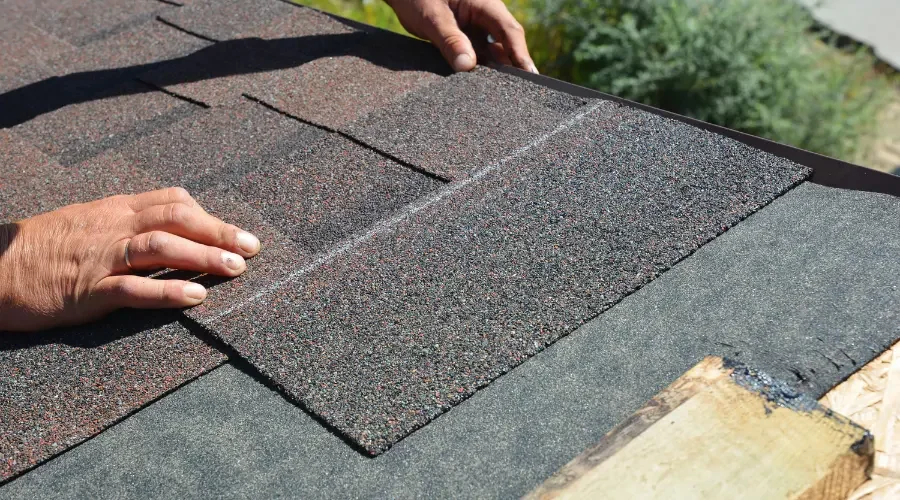
Missing, cracked, or curling shingles
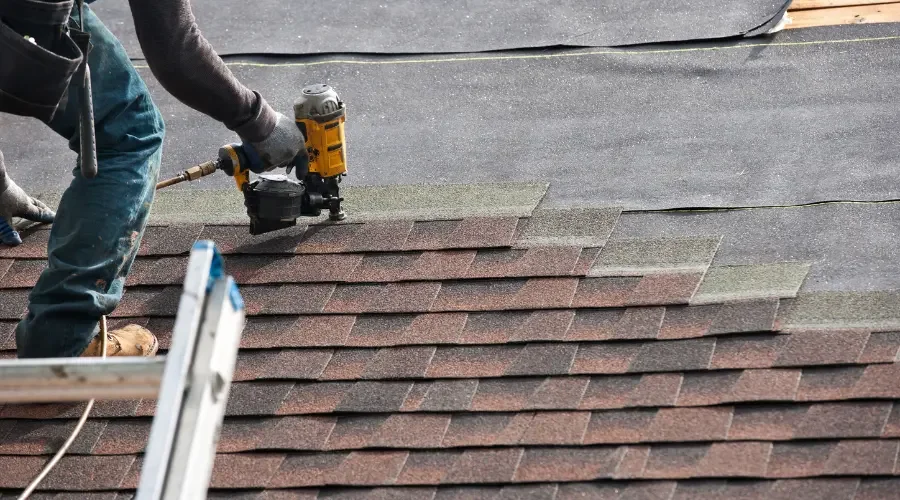
Loose shingles that could blow off in winter storms
Granule loss that indicates aging or damage
Proper shingle sealing
Signs of previous repair work and its current condition
Flashing Assessment
Flashing is the metal or rubber material that seals transitions and penetrations in your roof. Inspectors check:
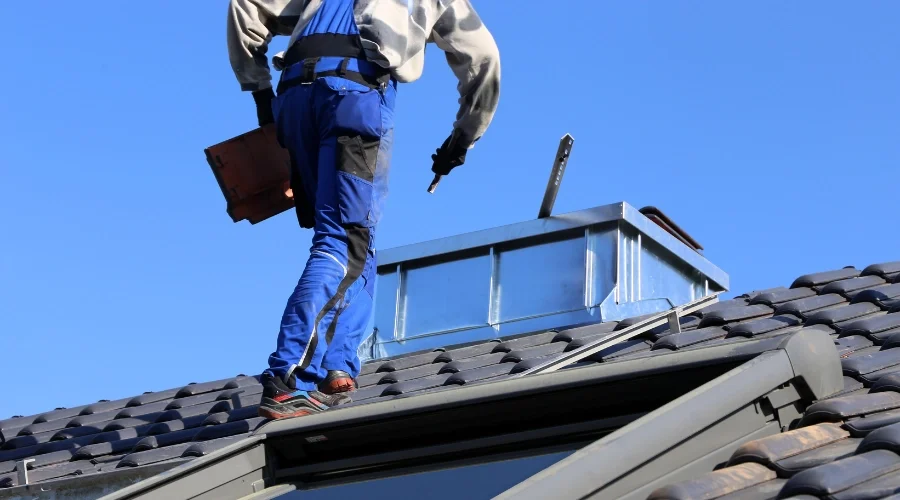
Chimney flashing for cracks, gaps, or loose sections
Valley flashing between roof planes
Vent pipe flashing and boots
Skylight flashing
Step flashing along walls
Drip edge condition
Compromised flashing is one of the leading causes of roof leaks, and winter weather makes it worse.
Roof Deck and Structural Components
From the attic, inspectors look for:
Sagging or uneven areas that might indicate structural issues
Water stains on roof decking
Rot or deterioration in roof boards
Proper roof deck attachment
Signs of previous leaks
Ventilation and Attic Conditions
Proper attic ventilation prevents ice dams and extends roof life. Inspectors evaluate:
Soffit vents for blockage
Ridge vents or other exhaust vents
Airflow through the attic space
Signs of moisture buildup or condensation
Insulation condition and R-value
Gutters and Drainage
Your gutters play a crucial role in protecting your roof. Inspectors check:
Gutter attachment and stability
Proper slope for drainage
Downspouts and extensions
Evidence of overflow or backup
Debris accumulation
Skylights and Roof Penetrations
Any opening in your roof is a potential vulnerability. Inspectors examine:
Skylight seals and flashing
Vent pipe boots and seals
Satellite dish mounts
Solar panel attachments
Any other roof penetrations
Signs of Wildlife or Pest Damage
Animals can compromise your roof's integrity. Inspectors look for:
Entry holes or damaged areas
Nesting materials
Droppings or other signs of animal activity
Damaged screens or vent covers
The Inspection Process: What to Expect
Professional roof inspections typically take 45 minutes to an hour, depending on your roof's size and complexity.
Exterior Assessment
The inspector will safely access your roof (weather permitting) to perform a hands-on examination. They'll walk the entire surface, checking every area carefully. If weather or safety conditions prevent roof access, they'll use binoculars and drones for visual assessment from the ground.
Interior Assessment
The inspector will examine your attic space, looking for signs of leaks, proper ventilation, adequate insulation, and structural integrity. They'll use moisture meters to detect hidden water damage.
Photographic Documentation
Reputable inspectors document their findings with photos. This gives you a clear picture of your roof's condition and provides a baseline for future comparisons.
Detailed Written Report
You should receive a comprehensive report that includes:
Overall roof condition assessment
Specific issues found with location and severity
Recommendations for repairs or maintenance
Estimated remaining roof life
Photos of problem areas
Priority ranking of recommended work
When to Schedule Your Pre-Winter Inspection
Timing matters when it comes to pre-winter roof inspections:
Ideal Timing: September to Early November
This window gives you time to complete any necessary repairs before winter weather arrives. You're also ahead of the rush that happens once the first big storm hits.
Why Earlier is Better:
Roofing contractor Little Egg Harbor have better availability
Weather is still good for repair work
You have time to budget for needed repairs
You're not competing with emergency repairs for contractor attention
Materials and scheduling are more flexible
What If It's Already Late Fall or Early Winter?
It's never too late for an inspection, but understand that severe weather might delay some repairs. The inspector can help you prioritize what must be done immediately versus what can wait for better weather.
Red Flags That Mean You Need Immediate Inspection
Don't wait for your annual inspection if you notice:
Water stains on ceilings or walls
Shingles in your yard after storms
Sagging or uneven roof areas
Daylight visible through the roof boards
Significantly higher energy bills
Moss or algae growth
Missing or damaged flashing
Age: if your roof is 15+ years old and you haven't had recent inspections
Understanding Your Inspection Report
A good inspection report should be clear and actionable, not overwhelming. Issues are typically categorized as:
Immediate Concerns
Problems that need attention right away to prevent damage or safety issues. These might include:
Active leaks
Missing large sections of shingles
Severely damaged flashing
Structural concerns
Near-Term Repairs
Issues that aren't emergencies but should be addressed before winter. Examples include:
Loose or damaged shingles
Minor flashing repairs
Gutter problems
Ventilation improvements
Monitor and Maintain
Items to watch but that don't require immediate action. These might be:
Signs of normal aging
Areas to recheck next inspection
Preventive maintenance recommendations
Long-Term Planning
Assessment of overall roof life and when you should start planning for replacement. For example, if your roof is 18 years old with some wear but functioning fine, the inspector might note you should start budgeting for replacement in the next 3-5 years.
The Investment vs. The Return
A professional roof inspection typically costs between $150 and $400, depending on your roof's size and complexity. Compare that to:
Emergency roof repair call: $500-$1,500+
Ice dam removal and repair: $1,000-$5,000+
Interior water damage repair: $2,000-$10,000+
Mold remediation: $1,500-$6,000+
One prevented winter emergency pays for years of inspections.
DIY Inspection vs. Professional Assessment
You can certainly look at your roof from the ground and check your attic for obvious issues. And you should. Regular homeowner monitoring is valuable.
But professional inspectors bring:
Training to spot subtle problems
Experience knowing what normal wear versus damage looks like
Safe equipment for roof access
Knowledge of building codes and proper installation
Liability insurance
Tools like moisture meters and thermal imaging
Objective assessment without emotional attachment to the property
Think of it like checking your own blood pressure versus getting a complete physical. Both have value, but one is significantly more thorough.
What Happens After the Inspection
Based on your inspection report, you have several options:
Make Recommended Repairs
Address identified issues before winter. Many homeowners choose to have the same company that did the inspection handle repairs, since they're already familiar with the problems.
Get Second Opinions
For major repairs or roof replacement recommendations, getting additional estimates is smart. A thorough inspection report helps other contractors give accurate quotes.
Prioritize and Budget
If multiple repairs are needed, work with your roofer to prioritize what must be done now versus what can wait.
Plan for Future Needs
Use the inspection to inform your long-term home maintenance budget and planning.
Beyond Winter: Year-Round Roof Health
While pre-winter inspections are crucial, ideally you should have your roof professionally inspected twice a year: once in fall before winter, and once in spring after winter. This catches problems early and extends your roof's lifespan.
Between inspections, you can help maintain your roof by:
Keeping gutters clean
Trimming overhanging branches
Watching for signs of problems
Addressing small issues promptly
Maintaining good attic ventilation
The Peace of Mind Factor
Beyond the financial benefits, there's something to be said for peace of mind. When winter storms roll through New Jersey, knowing your roof has been professionally inspected and any issues addressed lets you sleep easier.
You're not wondering if that strange noise is a problem. You're not worried about what you might find in the attic after the storm. You've done your due diligence to protect your home.
Finding the Right Inspector
Look for roofing companies that:
Are licensed and insured in New Jersey
Have experience with your type of roof
Provide detailed written reports
Don't automatically push for full replacement
Have good local references
Offer fair pricing for both inspection and any needed repairs
A quality inspector focuses on education and information, not high-pressure sales tactics.
Don't Wait for the First Big Storm
Every winter, roofing companies get overwhelmed with emergency calls after the first major storm. Homeowners who skipped fall inspections suddenly need urgent repairs, often at premium emergency rates, and wait times can stretch for days or weeks.
Be the homeowner who's ahead of the storm, not reacting to it.
G.R.M. Roofing provides comprehensive pre-winter roof inspections throughout Ocean County, including Tuckerton, Little Egg Harbor, and Barnegat. Our certified roof inspectors deliver detailed assessments with clear recommendations and honest guidance about what your roof needs.
We're not interested in selling you repairs you don't need. We're interested in helping you protect your home with informed, timely maintenance that prevents expensive problems.
Schedule your pre-winter roof inspection today. Because the best time to fix your roof is before you need to.