Complete Guide to Roof Replacement with Solar Panels in Ocean County, NJ
Complete Guide to Roof Replacement with Solar Panels in Ocean County, NJ
January 27, 2026
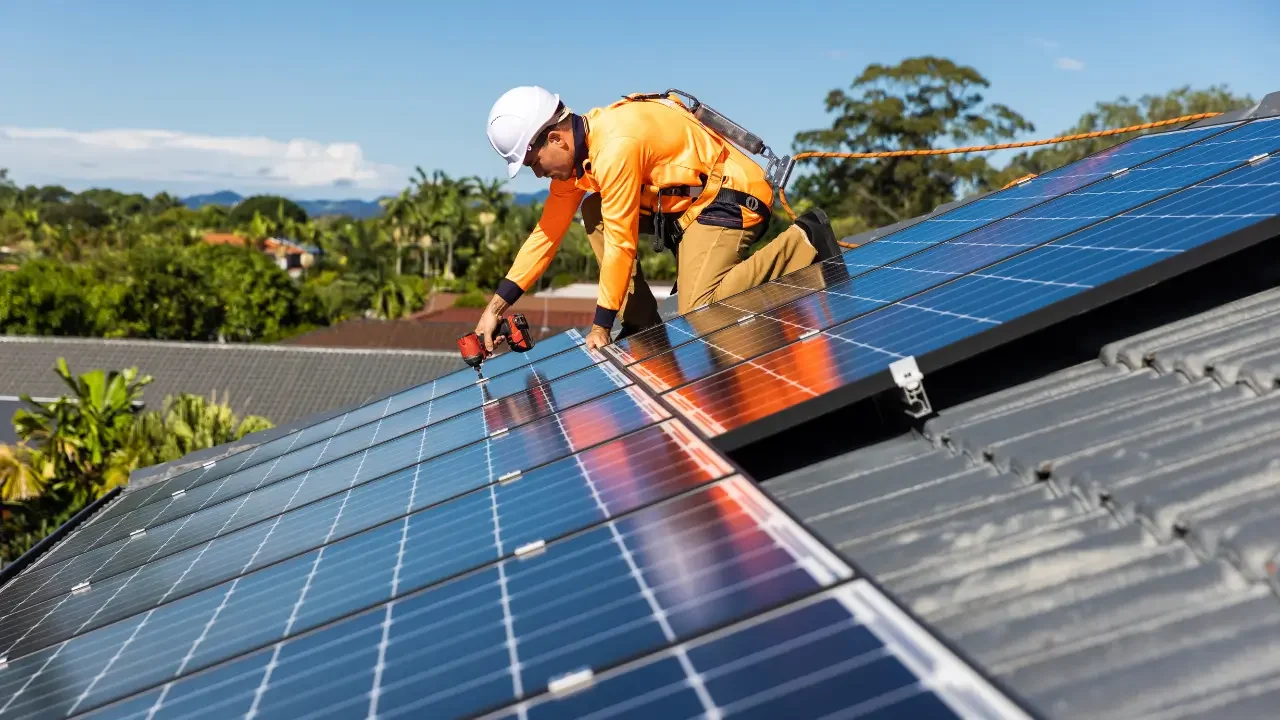
If you have solar panels on your roof and need a roof replacement, you’re facing a challenge most homeowners never encounter. Your roof is showing signs of age—missing shingles, leaks, or simply reaching the end of its 20-30 year lifespan. But your solar panels are still producing power perfectly, with 15-20 years of life remaining. What do you do? How much will it cost? And most importantly—can your roofing contractor even legally work on a roof with solar panels?
This comprehensive guide answers all of these questions and more. You’ll learn why most roofing contractors can’t handle solar panel work, what the complete process looks like, how much you should expect to pay, and the critical mistakes that could void your warranties or damage your solar investment.
For Ocean County homeowners with solar panels—whether you need professional roof installation in Little Egg Harbor, Toms River, Lakewood, or anywhere else in the area—this information is essential.
At G.R.M. Roofing, we’re one of the only contractors in Ocean County with a licensed electrician on staff. Call (609) 389-2485 to discuss your solar panel roofing project.
Why Roof Replacement with Solar Panels Is Complicated
Most homeowners don’t realize the unique challenges of replacing a roof when solar panels are installed. Understanding these challenges helps you choose the right contractor and avoid costly mistakes.
The Timing Mismatch Problem
Solar panels are typically warrantied for 25-30 years and often last even longer. Roofs, however, typically last 20-30 years depending on material quality and maintenance. This creates a timing issue that many solar panel owners eventually face: your roof needs replacement while your solar panels are still functioning perfectly and under warranty.
You invested $15,000-$30,000 in your solar panel system. Those panels are still producing power, reducing your electric bills, and helping the environment. But underneath, your aging roof is developing problems that can’t wait another 10 years until your solar panels need replacement too.
The Technical Complication
Solar panels aren’t like shingles that can simply be lifted off and set aside. They’re complex systems that include:
Electrical Connections: Wired to your home’s electrical system through an inverter, generating 300-600+ volts of DC (direct current) power
Mounting Systems: Bolted to your roof through racking systems with dozens of penetration points
Manufacturer Warranties: Protected by strict requirements for professional handling and reinstallation
Safety Considerations: Operating on high-voltage DC systems that present serious shock and arc flash hazards
The Legal Requirement
Here’s what most homeowners—and many roofing contractors—don’t understand: In New Jersey, only a licensed electrician can legally disconnect and reconnect solar panel systems.
This isn’t optional. It’s not a suggestion. It’s state law.
Solar panels operate on high-voltage direct current (DC) systems, typically 300-600 volts for residential installations. Disconnecting and reconnecting these systems requires: - New Jersey state electrical license - Specialized training in photovoltaic systems - Understanding of DC electrical hazards - Knowledge of National Electrical Code (NEC) requirements - Proper safety equipment and procedures
The Contractor Problem
Most roofing contractors—even excellent, experienced ones—don’t have licensed electricians on staff. This means they cannot legally touch your solar panel electrical connections. Instead, they must:
Hire a Separate Electrical Contractor:
Adding coordination complexity and cost
Coordinate Two Different Companies:
Creating scheduling challenges and communication issues
Add Time to Your Project:
Waiting for electrician availability extends timeline
Increase Your Costs:
Contractor markup on electrical services (typically 20-30%)
Create Confusion About Responsibility:
If something goes wrong, who’s responsible? The roofer or the electrician?
The G.R.M. Roofing Solution
G.R.M. Roofing has a licensed electrician on staff—we’re one of the only roofing contractors in Ocean County with this essential capability. This means:
✓ Everything handled in-house by one experienced team
✓ No coordination headaches between separate companies
✓ No contractor markup on electrical work
✓ Clear responsibility and accountability for your entire project
✓ Streamlined timeline with no scheduling conflicts
✓ Typically saves homeowners $500-$1,000 compared to using separate contractors
Learn more about our specialized solar panel roofing services
Why a Licensed Electrician Is Required for Solar Panel Roof Work
Understanding why electrical licensing matters helps you protect your investment, your warranty, and your safety.
New Jersey Legal Requirements
New Jersey’s Uniform Construction Code and electrical licensing laws are clear: all electrical work, including solar panel disconnection and reconnection, must be performed by a state-licensed electrician.
What’s Required: - Valid New Jersey Electrical Contractor License - Electrical permits for disconnection and reconnection work - Municipal inspection after reconnection (in most townships) - Compliance with National Electrical Code (NEC) Article 690 - Compliance with local electrical codes and amendments
Consequences of Unlicensed Work: - Code violations and potential fines - Failed electrical inspections - Voided solar panel warranties - Voided homeowners insurance - Potential liability for injuries or damage - Legal liability for contractors
Your roofing contractor may be excellent at roofing, but unless they have an electrical license or employ a licensed electrician, they cannot legally disconnect your solar panels—period.
Safety Concerns with High-Voltage DC Systems
Solar panels generate direct current (DC) electricity, which presents different—and in some ways more dangerous—hazards than the alternating current (AC) in your home:
Voltage Levels:
Residential solar systems typically operate at 300-600 volts DC, with some systems exceeding 600 volts. This is significantly higher than your home’s 120/240-volt AC system and can cause severe injury or death.
Arc Flash Hazards:
DC current creates sustained electrical arcs that are extremely difficult to extinguish. Unlike AC current that crosses zero voltage 120 times per second (giving arcs opportunity to extinguish), DC current is constant, making arc flashes particularly dangerous.
Shock Risk:
DC voltage follows different paths through the human body than AC voltage. Even “low” DC voltages can cause muscular contractions that prevent victims from releasing the electrical source—a phenomenon called “can’t let go.”
Fire Risk:
Improper disconnection can cause electrical fires. DC arcs burn hotter and longer than AC arcs, and can ignite roofing materials, insulation, or other combustibles.
Licensed electricians receive specialized training in: - Proper solar panel shutdown procedures - DC voltage testing and verification - Personal protective equipment requirements - Arc flash protection protocols - Emergency response procedures for electrical injuries
This isn’t theoretical—electrical injuries and deaths occur regularly during solar panel work performed by unqualified individuals.
Protecting Your Solar Panel Warranty
Every major solar panel manufacturer—SolarEdge, Enphase, SunPower, LG, Canadian Solar, and others—requires professional installation, removal, and reinstallation by qualified technicians.
Common Manufacturer Warranty Requirements: - Licensed electrician must perform all electrical work - Manufacturer-approved removal procedures must be followed - Complete photographic and written documentation must be maintained - Panels must be stored properly during roofing work (protected from weather and damage) - Reinstallation must follow original specifications and local codes - System must be tested and verified operational after reinstallation
What Voids Your Warranty: - Unlicensed electrical work - Improper removal or installation techniques - Physical damage during removal or storage - Electrical damage from improper disconnection - Missing documentation of work performed - Failed electrical inspections
Financial Impact of Voided Warranty:
Solar panel warranties typically cover: - 25-30 year product warranty on panels - 25-year performance warranty (typically 80-90% output guarantee) - 10-25 year warranty on inverters - Potential value: $15,000-$30,000 in replacement coverage
Voiding these warranties to save a few hundred dollars on proper electrical work is a terrible financial decision.
Insurance Requirements and Liability
Most homeowners insurance policies have specific requirements for electrical work:
Insurance Policy Requirements: - Electrical work must be performed by licensed professionals - Proper permits must be obtained - Work must pass electrical inspections - Contractors must carry adequate liability insurance
What Happens if You Use Unlicensed Contractors: - Insurance may deny claims for future electrical damage - Insurance may deny claims for roof damage if improper work contributed - Your policy could be voided for code violations - You assume all liability for injuries or damage
Contractor Insurance:
Reputable contractors carry: - General liability insurance (minimum $1-2 million) - Workers’ compensation insurance - Specific coverage for solar panel work - Electrical contractor insurance
At G.R.M. Roofing, we carry comprehensive insurance coverage specifically including solar panel work. Our licensed electrician’s work is fully insured and bonded.
Step-by-Step: How Roof Replacement with Solar Panels Works
Understanding the complete process helps you know what to expect and evaluate contractors effectively. Here’s exactly how professional solar panel roof replacement works:
STEP 1: Initial Inspection and Assessment
Timeline: 1-2 hours
Who’s Involved: Licensed electrician and roofing specialist
What Happens:
Our licensed electrician inspects your solar panel system while our roofing specialist assesses your roof condition. This dual inspection is critical—we need to understand both systems to plan the project properly.
Solar Panel System Assessment: - Number of panels and system configuration - Inverter type and location - Mounting system type (racking, rails, attachments) - Electrical connection points - Current system operation and production levels - Any existing issues with wiring or connections
Roof Assessment: - Current roof condition and remaining life - Extent of damage or deterioration - Roof decking condition (where accessible) - Flashing condition around mounting points - Ventilation adequacy - Any structural concerns
Documentation: - Photographs of all solar panel locations - Video of system layout and wiring configuration - Screenshots of current production data - Notes on panel numbering/arrangement - Documentation of any pre-existing panel damage or issues
What You Receive: - Detailed estimate for complete project - Separate breakdown: roofing costs vs. solar panel work - Timeline for project completion - Explanation of process and what to expect - Answer to any questions or concerns
Important: This documentation protects both you and the contractor. If there are any questions about panel condition or system performance after reinstallation, we have proof of the original condition.
STEP 2: Electrical Disconnection
Timeline: 2-3 hours
Who’s Involved: Licensed electrician
Cost Component: $500-$1,000
What Happens:
Our licensed electrician safely shuts down and disconnects your solar panel system from your home’s electrical system.
Shutdown Procedure: 1. Monitor Final Production: Record system production data for comparison after reinstallation 2. Shut Down Inverter: Power down the inverter following manufacturer protocol 3. Test Voltage: Verify zero voltage at all connection points using proper testing equipment 4. Disconnect AC Side: Disconnect inverter from your home’s electrical panel 5. Disconnect DC Side: Disconnect solar panels from inverter 6. Lockout/Tagout: Apply safety locks and tags to prevent accidental re-energization 7. Final Verification: Confirm zero voltage throughout system
Safety Protocols: - Personal protective equipment (PPE) worn at all times - Voltage testing equipment calibrated and certified - Emergency procedures in place - Proper grounding and bonding verified - All work documented with photos
Permits: - Electrical disconnect permit obtained from local township - Permit posted on-site as required - Inspector notified for final inspection after reconnection
Important Note: Once your solar panels are disconnected, they will not produce electricity. Your home will draw power from the utility grid during the roofing work (typically 3-4 days). Your electric bill will be higher that month—typically $100-$300 depending on usage and season.
STEP 3: Solar Panel Removal
Timeline: 3-5 hours (depending on number of panels)
Who’s Involved: Roofing crew
Cost Component: $800-$1,500
What Happens:
With the electrical system safely disconnected, our roofing crew carefully removes solar panels from their mounting brackets.
Removal Process: 1. Panel Numbering: Each panel is numbered corresponding to its location (essential for proper reinstallation) 2. Photographic Documentation: Each panel photographed before removal to document condition 3. Careful Removal: Panels disconnected from mounting clips and carefully lifted 4. Inspection: Each panel inspected for damage, cracks, or issues before storage 5. Safe Storage: Panels stored on-site in protected area (or temporarily relocated if weather threatens)
Mounting Hardware: - Mounting brackets and rails removed from roof - All hardware sorted, labeled, and organized for reinstallation - Damaged or corroded hardware identified for replacement - Lag bolts and penetration points documented
Proper Handling Protocols: - Panels kept clean and protected from weather - Stored away from foot traffic and work areas - Protected from potential falling debris - Never stacked more than 3-4 high - Stored at appropriate angle to prevent stress on frames
What’s Removed: - All solar panels - Mounting rails and racking system - Flashing around mounting points (if damaged or outdated) - Any damaged hardware
What Stays (Temporarily): - Inverter (disconnected but left in place) - Conduit runs (unless they interfere with roofing work) - Junction boxes (unless damaged)
Average Residential System: 20-30 panels typically takes 3-4 hours to remove safely.
STEP 4: Roof Replacement
Timeline: 1-2 days (depending on roof size)
Who’s Involved: Roofing crew
Cost Component: Standard roof replacement cost ($10,000-$15,000 typical)
What Happens:
With solar panels safely removed and stored, we proceed with complete roof replacement.
Roof Replacement Process: 1. Complete Tear-Off: All old roofing materials removed down to decking 2. Decking Inspection: Thorough inspection of all roof decking (plywood or OSB) 3. Decking Repairs: Any damaged, rotted, or deteriorated decking replaced 4. Ice & Water Shield: Waterproof membrane installed in valleys, eaves, and around penetrations 5. Underlayment Installation: High-quality underlayment installed over entire roof 6. New Shingle Installation: New roofing material installed per manufacturer specifications 7. Ridge Vent Installation: Proper ventilation installed for attic airflow 8. Standard Flashing: New flashing around chimneys, vents, and valleys
Special Attention to Solar Panel Areas:
This is where solar panel roof replacement differs from standard roofing:
Enhanced Underlayment: We install extra layers of underlayment where solar panels will be remounted
Pre-Planned Mounting Points: We identify and prepare mounting point locations before panels are reinstalled
Proper Flashing: Critical step—we install proper flashing where mounting brackets will penetrate the roof. This prevents future leaks around mounting points (a common problem with improperly installed solar systems)
Reinforced Decking: If needed, we reinforce decking in mounting areas to ensure secure panel attachment
Quality Checks: - All penetrations properly flashed and sealed - Underlayment flat and wrinkle-free in panel areas - Proper overlap of all materials - Ventilation adequate for roof and attic
Timeline Note: We don’t rush roof replacement just because solar panels are waiting. Quality roofing work takes time, and shortcuts lead to leaks and premature failure.
STEP 5: Solar Panel Remounting
Timeline: 3-5 hours
Who’s Involved: Roofing crew
Cost Component: $800-$1,500
What Happens:
With your new roof complete, we remount your solar panels in their original configuration.
Remounting Process:
1. Mounting Bracket Installation: - New lag bolts drilled into roof decking (typically 3/8” x 5” lag bolts) - Proper flashing installed around each penetration point - High-quality sealant applied to all penetrations - Brackets leveled and secured to manufacturer specifications
2. Racking System Installation: - Aluminum rails attached to mounting brackets - System leveled and squared - All connections properly tightened - Cross-bracing installed if required
3. Panel Reinstallation: - Panels reinstalled in original configuration (using documentation from removal) - Each panel checked for proper orientation - Mounting clips properly secured - All hardware torqued to specifications
4. Wire Management: - Wiring organized and secured - Proper strain relief at connections - No exposed or damaged wiring - Conduit runs restored if removed
Quality Checks: - All penetrations properly sealed (zero leak potential) - Panels level and properly aligned - No stress on panel frames - All hardware secure and torqued properly - Wire management neat and secure - System ready for electrical reconnection
What We Use:
Sealants: We use only UV-resistant, flexible sealants rated for long-term outdoor exposure
Hardware: Stainless steel or aluminum hardware to prevent rust (critical in Ocean County’s salt air environment)
Flashing: Metal flashing or specialized rubber boot flashings designed for solar mounting
Average Time: 20-panel system typically takes 3-4 hours to remount properly.
STEP 6: Electrical Reconnection
Timeline: 2-3 hours
Who’s Involved: Licensed electrician
Cost Component: $500-$1,000
What Happens:
Our licensed electrician reconnects your solar panel system and brings it back online.
Reconnection Process:
1. DC Side Reconnection: - Panel wiring reconnected to combiner boxes - All connections inspected for damage - Proper polarity verified - Voltage testing at connection points
2. Inverter Reconnection: - DC input reconnected to inverter - AC output reconnected to your home’s electrical panel - Ground connections verified - All connections properly tightened
3. System Testing: - Inverter powered up following manufacturer protocol - Voltage verification throughout system - Current flow testing - Ground fault detection testing - Proper operation of all safety systems
4. Production Verification: - System monitored for power production - Production levels compared to pre-work baseline - Any discrepancies investigated and resolved - Monitoring system reconnected (if applicable)
5. Safety Checks: - Arc fault detection working properly - Rapid shutdown functioning (if equipped) - Ground fault protection operational - All connections secure and properly rated
Electrical Inspection: - Final electrical inspection scheduled (if required by township) - Inspector verifies all work meets code - Permit signed off and closed - Documentation provided to homeowner
What You Should See:
Within minutes of reconnection, your inverter should show: - System online and producing power - Production levels similar to pre-work levels (accounting for time of day, weather) - No error codes or warnings - Monitoring system showing data
If Production Seems Low:
Our electrician investigates: - Cloud cover or weather conditions - Shading from nearby trees or structures - Time of day (production varies throughout the day) - System monitoring calibration - Any wiring or connection issues
We don’t leave until your system is producing power at expected levels.
STEP 7: Final Inspection and Testing
Timeline: 1 hour
Who’s Involved: Project manager, licensed electrician, and homeowner
What Happens:
Before we consider the project complete, we conduct thorough testing and a final walkthrough with you.
System Functionality Testing: - Verify production via inverter display - Check monitoring system data (if applicable) - Confirm no error codes or system warnings - Test all safety features - Verify proper voltage and current levels
Roof Inspection: - Visual inspection of all roofing work - Check all flashing around solar mounting points - Verify proper sealing at all penetrations - Inspect for any installation issues - Confirm proper cleanup
Homeowner Walkthrough: - Explain any changes to system operation - Show you how to monitor production - Provide all documentation and warranties - Answer any questions or concerns - Provide contact information for follow-up
Documentation Provided:
You receive a complete package including: - Roof warranty documentation (materials and workmanship) - Electrical work documentation - Permit copies and inspection approvals - Before/after photos of roof and solar system - Updated system documentation - Contact information for any future issues - Warranty claim procedures
Production Monitoring:
We typically recommend monitoring your system production for 1-2 weeks after completion. If production levels don’t match pre-work levels (accounting for seasonal changes), contact us immediately. Our licensed electrician will return to investigate at no charge.
Total Project Timeline: Most residential solar panel roof replacements are completed in 3-4 days, weather permitting.
How Much Does Roof Replacement with Solar Panels Cost?
Understanding the cost breakdown helps you budget appropriately and evaluate estimates from different contractors.
Standard Roof Replacement Cost
First, you’ll pay for standard roof replacement work:
Typical Ocean County Home (2,000 sq ft): - 3-Tab Asphalt Shingles: $8,000-$12,000 - Architectural Shingles: $10,000-$15,000 (recommended) - Metal Roofing: $15,000-$25,000
These prices include complete tear-off, disposal, underlayment, new shingles, ridge vents, flashing, and all standard roofing work.
See detailed roof replacement cost breakdown
Solar Panel Work Addition
On top of standard roof replacement, solar panel work adds:
| Service Component | Cost Range |
|---|---|
| Electrical Disconnection (Licensed Electrician) | $500-$1,000 |
| Solar Panel Removal | $800-$1,500 |
| Panel Storage and Protection | Included |
| Panel Reinstallation and Remounting | $800-$1,500 |
| Electrical Reconnection and Testing | $500-$1,000 |
| Electrical Permits | $100-$200 |
| TOTAL SOLAR PANEL ADDITION | $2,500-$5,000 |
Factors Affecting Solar Panel Costs
Number of Panels:
More panels = more time and labor. A 20-panel system costs less than a 40-panel system.
System Complexity:
- Multiple roof sections increase labor - Steep roof pitch adds difficulty and safety requirements - Hard-to-access roof areas (high buildings, complex layouts) - Older mounting systems may need hardware replacement
System Voltage:
Higher voltage systems (600V+) require additional safety protocols and time.
Inverter Location:
Ground-mounted inverters are easier to work with than roof-mounted inverters.
Mounting System Type:
Some mounting systems are faster to remove and reinstall than others.
Local Permit Requirements:
Some Ocean County townships have more stringent inspection requirements than others.
Why G.R.M. Roofing Saves You Money
Most contractors don’t have licensed electricians on staff. They must hire outside electrical contractors, creating additional costs:
Typical Scenario with Separate Contractors: - Roofing contractor quotes roof work: $12,000 - Electrical contractor quoted separately: $4,000-$5,000 - Roofing contractor adds markup on electrical: 20-30% ($800-$1,500) - Coordination fees and contingencies: $500-$1,000 - Total: $17,300-$19,500
G.R.M. Roofing In-House Approach: - Complete project handled in-house: $15,500 - Savings: $1,800-$4,000
Plus Additional Benefits: - One point of contact (no coordination headaches) - Clear responsibility (one company accountable) - Faster timeline (no scheduling conflicts) - Single warranty covering entire project
Total Project Cost Example
Real-World Example:
Home: 2,000 sq ft ranch in Toms River
Solar Panels: 24-panel system (7.2kW)
Existing Roof: 22 years old, asphalt shingles
New Roof: Architectural shingles
Cost Breakdown: - Standard roof replacement: $12,500 - Solar panel disconnection: $750 - Panel removal: $1,200 - Panel reinstallation: $1,200 - Electrical reconnection and testing: $750 - Permits: $150 - Total Project: $16,550
Compare to using separate contractors: $18,500-$20,500
G.R.M. Roofing Savings: $1,950-$3,950
Hidden Costs to Avoid
Some contractors quote low prices but don’t include:
Electrical Permits: Required by law, can’t be skipped ($100-$200)
Proper Panel Storage: Some contractors leave panels in questionable locations, risking damage
Electrical Testing: Proper voltage and production testing takes time but ensures your system works correctly
Warranty Documentation: Professional contractors maintain complete documentation to protect your warranties
System Production Verification: Verifying your system produces at expected levels after reconnection
Post-Work Support: What happens if your system doesn’t work properly after reconnection?
Red Flag: If an estimate seems too cheap, ask specifically what’s NOT included. You may discover the contractor hasn’t included electrical work, permits, or proper testing.
7 Critical Mistakes Homeowners Make with Solar Panel Roof Replacement
Learning from others’ mistakes can save you thousands of dollars and protect your warranties.
MISTAKE #1: Hiring a Roofer Without Electrical Capability
The Problem:
Most roofing contractors cannot legally disconnect solar panels. They’re excellent roofers but lack electrical licensing. When you hire them, they must then hire a separate electrical contractor, creating:
Coordination Nightmares: - Scheduling conflicts between roofer and electrician - Communication breakdowns between companies - Delays waiting for electrician availability - Confusion about who’s responsible for what
Higher Costs: - Electrical contractor charges full rate - Roofing contractor adds 20-30% markup - You pay for coordination time - Contingency charges for unknown issues
Finger-Pointing: - If panels don’t work properly after reinstallation, who’s responsible? - If there’s damage, was it the roofer or electrician? - If there are leaks around mounting points, who fixes them?
The Solution:
Choose a roofing contractor with a licensed electrician on staff. Ask specifically: - “Do you have a licensed electrician on staff?” - “Can I see your electrical contractor license?” - “Have you completed solar panel roof replacements before?” - “Can you provide references from solar panel roofing projects?”
G.R.M. Roofing has a licensed electrician on staff (License #[YOUR NUMBER])—we handle everything in-house with one team and one clear line of responsibility.
MISTAKE #2: Not Documenting Your System Before Work Begins
The Problem:
Some homeowners don’t document their solar panel system’s condition and performance before roofing work begins. Then, after reinstallation, they can’t prove: - Whether panels were damaged during the project - If system production has decreased - What the original system configuration looked like - Pre-existing issues vs. new issues
Real Example:
A Brick, NJ homeowner hired a contractor without proper documentation. After reinstallation, the system only produced 80% of previous output. The contractor claimed “it was like that before.” With no documentation, the homeowner had no proof and ate the cost of reduced production ($200-$300 annually forever).
The Solution:
Before ANY work begins, document:
System Production: - Screenshot or photo of last 30 days production data - Note average daily production - Save monitoring system data
Physical Condition: - Photos of every panel (look for cracks, damage, discoloration) - Video walkthrough of entire system - Close-ups of all mounting points - Documentation of any existing issues
System Configuration: - Photos showing panel layout and arrangement - Inverter model and serial number - Any visible wiring configuration
Professional contractors like G.R.M. Roofing do this automatically—it protects both you and us. We provide you with complete before-and-after documentation.
MISTAKE #3: Allowing Unlicensed Work on Your Solar Panels
The Problem:
Some homeowners—trying to save money—hire contractors who claim “we can handle the electrical work” without having proper licensing. This creates serious problems:
Legal Issues: - State electrical code violations - Failed electrical inspections - Potential fines from building department - Liability for injuries or damage
Warranty Issues: - Voids solar panel manufacturer warranty - Voids inverter warranty - May void roof warranty if improper electrical work caused damage - Could void homeowners insurance
Safety Issues: - Risk of electrical shock or electrocution - Risk of electrical fires - Improper shutdown procedures - Inadequate safety protocols
Real Example:
A Lakewood homeowner hired a “handyman” to disconnect panels to save $500. The handyman crossed wires during reconnection, frying the inverter ($3,500 replacement). Worse, the manufacturer voided the warranty because unlicensed work was performed. Total cost: $3,500 + voided $8,000 inverter warranty.
The Solution:
Always verify electrical licensing: - Ask for NJ Electrical Contractor License number - Verify license at: www.njconsumeraffairs.gov - Check that license is current and in good standing - Verify electrician has photovoltaic (solar) experience
Never accept: - “I know an electrician who’ll do it cheap” - “Electrical work is included” (without seeing license) - “We’ve done this before” (not the same as licensed) - “The inspector won’t check” (they often do)
MISTAKE #4: Not Getting Written Warranties
The Problem:
Some contractors give verbal assurances but don’t provide written warranties covering: - Roofing workmanship - Solar panel reinstallation quality - No leaks around new mounting points - Proper system operation after reconnection
Without written warranties, you have no recourse if problems develop.
Real Example:
A Little Egg Harbor homeowner had leaks develop around solar panel mounting points 6 months after roof replacement. The contractor claimed “that’s not covered” despite verbal assurance that “everything is guaranteed.” No written warranty = no leverage. Repair cost: $1,500.
The Solution:
Get detailed written warranties covering:
Roofing Workmanship: - Typical: 1-10 year workmanship warranty - Should cover leaks, installation defects, workmanship issues - Clearly specify what’s covered and for how long
Solar Panel Reinstallation: - Warranty on mounting system installation - Guarantee against leaks at penetration points - Assurance of proper panel attachment
Electrical Work: - Warranty on electrical connections - Guarantee of proper system operation - Coverage for electrical issues from improper work
System Production: - Assurance system will produce at pre-work levels - Commitment to investigate and resolve production issues
G.R.M. Roofing Provides: - Written manufacturer warranty on roofing materials (25-50 years) - Written workmanship warranty on roofing (10 years) - Written warranty on solar panel reinstallation (5 years) - Guarantee against leaks at mounting points (10 years) - Commitment to investigate any production issues at no charge
MISTAKE #5: Choosing the Cheapest Bid
The Problem:
Solar panel roof replacement is complex work requiring expertise in both roofing and electrical systems. The cheapest bid often means:
Corners Will Be Cut: - Improper flashing around mounting points - Rushed electrical work - Inadequate testing and verification - Cheap or inappropriate materials
Inexperienced Workers: - Haven’t done many solar panel roof replacements - Don’t understand solar panel systems - Lack proper safety training - Missing specialized tools and equipment
Inadequate Insurance: - May not carry coverage for solar panel work - May have minimal liability insurance - Workers’ comp coverage may be inadequate
Poor Post-Work Support: - If issues arise, contractor may not respond - No commitment to resolve production problems - May have gone out of business by the time you need them
Real Example:
A Toms River homeowner chose the cheapest bid ($13,500 vs. $16,500 for G.R.M. Roofing). The contractor: - Used unlicensed “helper” for electrical work - Improperly sealed mounting points - Didn’t test system production before leaving - Six months later: leaks around 4 mounting points ($1,200 repair) - One year later: system producing 15% less than before (no recourse, contractor out of business)
Total cost of “saving” $3,000: $1,200 + $300/year forever in lost production = terrible decision
The Solution:
Choose based on:
Credentials: - Proper licensing (roofing AND electrical) - Adequate insurance coverage - Good reputation and references - Years in business locally
Experience: - Specific experience with solar panel roofing - Can provide references from similar projects - Knowledge of your specific solar panel brand/type
Quality: - Detailed estimate explaining all work - Professional communication - Answers questions thoroughly - Uses quality materials
Warranty: - Comprehensive written warranties - Long-term commitment to standing behind work - Clear process for addressing issues
A quality contractor charging fair rates will save you money long-term through proper installation, avoiding damage, protecting warranties, and standing behind their work.
MISTAKE #6: Not Planning for Electric Bill Impact
The Problem:
Some homeowners don’t realize their solar panels will be offline during roof replacement (typically 3-4 days). During this time, your home draws power from the utility grid instead of your solar panels. Your electric bill will be higher that month.
The Impact:
Typical household using 900 kWh/month: - Normal monthly cost without solar: $150-$200 - Normal monthly cost with solar: $20-$50 - Cost during month with 4 days offline: $70-$100
Increase for that month: $50-$80
The Solution:
Plan Ahead: - Understand panels will be offline 3-4 days - Budget for one month of higher electric costs - Consider scheduling work during seasons with lower usage (spring/fall vs. summer)
Don’t Be Surprised: - Higher electric bill that month is normal - Panels go back online immediately after reconnection - Following month returns to normal low bills
Strategic Scheduling: - Spring (March-May): Moderate temps, lower usage - Fall (September-November): After summer heat, before winter - Avoid: July-August (peak AC usage) and December-January (peak heating)
The increase is typically $50-$300 for one month—a minor consideration compared to the $15,000+ project cost.
MISTAKE #7: Not Verifying System Operation After Reinstallation
The Problem:
Some contractors reconnect panels and leave without verifying: - System is actually producing power - Production levels match pre-work baseline - Monitoring system is working - No error codes or system warnings
Days or weeks later, homeowners discover their system isn’t producing properly—and the contractor claims “it was fine when we left.”
Real Example:
A Barnegat homeowner’s contractor reconnected panels but didn’t verify production. Three weeks later, the homeowner noticed monitoring showed zero production. Investigation revealed a wiring error during reconnection. The inverter had been trying to start for three weeks, generating error codes the contractor would have seen if they’d checked. Lost production: ~$150. Repair required another electrician visit.
The Solution:
Before the contractor leaves, verify:
Inverter Shows Production: - Green light (most inverters) - Display shows watts being produced - No error codes or warnings
Monitoring System Working: - If you have a monitoring system (Enphase, SolarEdge app, etc.) - Verify it shows current production - Check that all panels are reporting
Production Levels Appropriate: - Compare to same time of day before work - Account for weather (clouds reduce production) - Production should match pre-work levels
Get Written Verification: - Contractor provides written confirmation system is working - Production data recorded and compared to pre-work - Commitment to return if production doesn’t match
G.R.M. Roofing’s Process:
We don’t leave until: 1. Inverter displays production 2. Monitoring system shows data 3. Production levels match pre-work baseline (accounting for time/weather) 4. You see your system working with your own eyes 5. We provide written verification
We guarantee: If your system doesn’t produce at expected levels after our work, we return at no charge to investigate and resolve the issue.
12 Questions to Ask Before Hiring a Contractor for Solar Panel Roofing
Protect yourself by asking these questions and getting satisfactory answers before signing any contract.
1. Do you have a licensed electrician on staff?
What to ask: “Can I see your New Jersey Electrical Contractor License?”
Red Flags: - “We’ll hire an electrician when needed” - “We work with an electrical contractor” - Hesitation or can’t produce license
Good Answer: “Yes, here’s our license number: [NUMBER]. You can verify it with the state.”
G.R.M. Roofing: Licensed NJ electrician on staff (License #[YOUR NUMBER])
2. How many solar panel roof replacements have you completed?
What to ask: “Can you provide references from recent solar panel roofing projects in Ocean County?”
Red Flags: - “This will be our first solar panel roof” (run away) - Can’t provide specific references - References from years ago, none recent
Good Answer: “We’ve completed [NUMBER] solar panel roof projects. Here are three recent references in Ocean County you can call.”
G.R.M. Roofing: We provide 3-5 recent Ocean County references from solar panel roofing projects similar to yours.
3. What’s your process for protecting my solar panels?
What to ask: “Where will my panels be stored during roofing work? How do you protect them from damage?”
Red Flags: - “We’ll just set them aside” - No specific plan - Outdoor storage without protection
Good Answer: Detailed explanation of: - Safe storage location (protected from weather) - How panels are secured and protected - Numbering system for proper reinstallation - Protection from construction debris
4. How do you document my system’s original configuration?
What to ask: “What documentation do you provide of my system before and after work?”
Red Flags: - “We don’t usually document” - “We’ll take a few pictures” - No systematic documentation
Good Answer: - Detailed photos of every panel and connection - Video of entire system layout - Production data before work - Written documentation of configuration - Before/after comparison provided
5. What warranties do you provide on solar panel work?
What to ask: “Can I see a sample of your written warranty for solar panel reinstallation?”
Red Flags: - No written warranty - Verbal assurances only - Vague warranty language
Good Answer: - Written warranty covering electrical work - Written warranty covering panel reinstallation - Guarantee against leaks at mounting points - Commitment to resolve production issues
6. Who handles electrical permits and inspections?
What to ask: “Are electrical permits required? Who obtains them? Who schedules inspections?”
Red Flags: - “Permits aren’t needed” (they usually are) - “You’ll need to handle permits” - Unfamiliarity with local requirements
Good Answer: - We handle all electrical permits - Permits included in our price - We schedule required inspections - We ensure all work passes inspection
7. What happens if a panel is damaged during your work?
What to ask: “Do you carry insurance covering solar panel damage? What’s the process if damage occurs?”
Red Flags: - “Panels never get damaged” (not a real answer) - “You’ll need to claim on your insurance” - Uncertain about insurance coverage
Good Answer: - We carry specific coverage for solar panel work - Our insurance covers any damage during our work - Here’s our certificate of insurance - We’ve never damaged panels, but we’re fully covered if it happens
G.R.M. Roofing: We carry comprehensive insurance specifically including solar panel work and have never damaged a customer’s solar panels in our years of solar roofing work.
8. How do you test the system after reconnection?
What to ask: “What testing do you perform to verify my system works properly after reconnection?”
Red Flags: - “We just turn it back on” - No formal testing procedure - Don’t verify production levels
Good Answer: - Licensed electrician performs voltage testing - We verify inverter operation - We check production levels vs. baseline - We verify monitoring system works - We don’t leave until production is confirmed
9. What’s included in your estimate?
What to ask: “Can you provide a detailed breakdown showing roofing costs separate from solar panel work?”
Red Flags: - One lump sum with no breakdown - Unwilling to itemize - Vague scope of work
Good Answer: - Detailed line-item estimate - Roofing costs clearly separated - Solar panel costs broken down - Permits and fees identified - Everything included specified
10. What’s your timeline for completion?
What to ask: “How long will my panels be offline? What’s your estimated timeline start to finish?”
Red Flags: - “As long as it takes” - Very long timeline (7+ days for typical home) - Unwilling to commit to timeline
Good Answer: - Typical project: 3-4 days - Day-by-day breakdown of work - Weather contingencies explained - Commitment to minimize downtime
11. Do you coordinate with my solar installer if needed?
What to ask: “If I prefer my original solar installer to handle disconnection/reconnection, can you coordinate with them?”
Red Flags: - Unwilling to work with other contractors - Insist they must do everything - Poor communication about coordination
Good Answer: - We can coordinate with your installer if you prefer - However, our in-house electrician usually saves time and money - We’ve worked with most major installers in Ocean County - Communication and coordination is not a problem
G.R.M. Roofing Note: Most customers prefer our streamlined in-house approach, but we’re happy to coordinate with your solar installer if that’s your preference.
12. What happens if my system doesn’t work properly after your work?
What to ask: “If my system produces less power after reinstallation, what do you do?”
Red Flags: - “That won’t happen” (not a plan) - “You’ll need to call a solar company” - No commitment to resolve issues
Good Answer: - We verify production before leaving - If production doesn’t match pre-work levels, we investigate - Our licensed electrician returns at no charge - We don’t consider job complete until system works properly
G.R.M. Roofing Commitment: We guarantee your system will produce at pre-work levels (accounting for seasonal variation). If it doesn’t, our licensed electrician returns at no charge to investigate and resolve the issue.
Ocean County-Specific Considerations for Solar Panel Roof Replacement
Ocean County’s unique coastal environment creates specific considerations for solar panel roofing work.
Coastal Weather Challenges
Salt Air Exposure:
Ocean County’s coastal location means salt air, which accelerates corrosion: - Use stainless steel or aluminum mounting hardware (never plain steel) - Apply corrosion-resistant sealants around all penetrations - Consider upgraded flashing materials for coastal areas - Regular inspection of mounting points (every 2-3 years)
High Wind Requirements:
Coastal areas face stricter wind requirements: - Solar mounting systems must be rated for local wind zones (110-130 mph) - Proper attachment to roof structure is critical - Lag bolts must penetrate into rafters/trusses (not just decking) - Mounting point flashing must withstand wind-driven rain
Hurricane and Storm Considerations:
Ocean County faces: - Hurricane potential (June-November) - Frequent nor’easters - High winds year-round in coastal areas
Best practices: - Enhanced flashing around mounting points - Proper sealant application - Attention to vulnerable areas (roof edges, valleys) - Consider impact-resistant roofing materials
Local Permitting Requirements
Different Ocean County townships have varying requirements:
Little Egg Harbor Township: - Building permit required for roof replacement - Electrical permit required for solar disconnection/reconnection - Electrical inspection after reconnection - Permit fees: ~$150-$250 total
Toms River Township: - Roof permit required - Electrical permit required - May require separate solar system permit - Inspection requirements vary by scope - Permit fees: ~$200-$300 total
Brick Township: - Building permit for roofing - Electrical permit for solar work - Final inspection required - Permit fees: ~$150-$250 total
Lakewood Township: - Permits required for both roofing and electrical - Strict inspection requirements - Must show compliance with current code - Permit fees: ~$200-$300 total
G.R.M. Roofing handles all permit requirements for Ocean County projects—you don’t need to navigate township requirements yourself.
Best Timing for Solar Panel Roof Replacement
Avoid Hurricane Season Peak:
June-November is Atlantic hurricane season. While we work year-round, consider scheduling outside peak season (August-October) if possible.
Spring (March-May): - Good weather, moderate temperatures - Lower electricity usage (minimal bill impact) - Contractors have good availability - Work can be completed before summer heat
Early Fall (September-October): - After summer heat, comfortable working conditions - Before winter weather - Good contractor availability - Moderate electricity usage
Summer (June-August): - Longest days (more working hours) - Best weather conditions - Peak contractor demand (potentially higher prices) - Higher electricity usage (bigger bill impact during offline days) - Hurricane season
Winter (November-February): - Lower contractor demand (potentially better prices) - Challenging weather can cause delays - Shorter days limit working hours - Cold temperatures affect some roofing materials
Bottom Line: Spring or early fall typically offers the best combination of weather, pricing, and scheduling in Ocean County.
Insurance Considerations for Coastal Homes
Many Ocean County coastal homes have special insurance considerations:
Wind/Water Deductibles:
Coastal policies often have: - Separate wind deductibles (often 2-5% of home value) - Higher deductibles for named storms - Flood insurance considerations (separate policy)
Wind Mitigation Benefits:
Proper roof installation can reduce insurance costs: - Hip roof construction (lower rates) - Proper attachment of decking and trusses - Hurricane straps and clips - Impact-resistant roofing materials (up to 20% discount)
Documentation for Insurance:
Keep complete records: - All permits and inspections - Photos of installation - Warranty documentation - Contractor license information
This documentation helps with: - Future insurance claims - Home sale documentation - Refinancing requirements - Disaster recovery if needed
Why Ocean County Homeowners Choose G.R.M. Roofing for Solar Panel Roof Work
When you need roof replacement and have solar panels, you need a contractor with unique expertise. Here’s why Ocean County homeowners trust G.R.M. Roofing:
We’re One of the Only Contractors Who Can Do This
Most Ocean County roofing contractors don’t have licensed electricians on staff. They can’t legally disconnect your solar panels, requiring them to: - Hire outside electrical contractors (adding 20-30% markup) - Coordinate multiple companies (creating delays and confusion) - Split responsibility (if something goes wrong, who’s accountable?) - Extend your timeline (waiting for electrician availability)
G.R.M. Roofing has a licensed NJ electrician on staff (License #[YOUR NUMBER]): - Everything handled in-house by one experienced team - No markup on electrical work (you pay actual cost) - Clear responsibility (one company, one warranty) - Streamlined timeline (no scheduling conflicts) - Typically saves $500-$1,000 compared to using multiple contractors
Our Experience With Solar Panel Roofing
We’ve completed dozens of solar panel roof replacements throughout Ocean County: - Residential systems from 10-50 panels - All major solar brands (SolarEdge, Enphase, SunPower, Canadian Solar, LG) - Both roof-mounted and ground-mounted inverters - Various mounting systems and configurations - Homes in Little Egg Harbor, Toms River, Brick, Lakewood, Barnegat, and throughout the county
We understand Ocean County’s specific challenges: - Coastal weather and salt air considerations - Local permitting requirements township by township - Building code requirements for high-wind areas - Best practices for hurricane-prone regions
Our Process Protects Your Investment
Complete Documentation: - Photos and video of system before any work begins - Production data recorded for comparison - Detailed documentation of configuration - Before/after comparison provided to you
Professional Handling: - Safe removal and storage of panels - Proper protection during construction - Careful reinstallation in original configuration - Quality testing before completion
Expert Roofing: - Proper flashing around mounting points (prevents leaks) - Enhanced underlayment in panel areas - Quality materials and installation - 10-year workmanship warranty
Licensed Electrical Work: - Safe disconnection following manufacturer protocols - Proper reconnection with voltage verification - Production testing before completion - Electrical permit and inspection handled
Our Commitment to Quality
We Don’t Consider the Job Done Until: 1. Your new roof is perfectly installed with zero leaks 2. Your solar panels are securely remounted 3. Your system is producing power at pre-work levels 4. All permits are closed and inspections passed 5. You have complete documentation and warranties 6. You’re completely satisfied with our work
If your system doesn’t produce at expected levels after our work: - Our licensed electrician returns at no charge - We investigate and resolve any issues - We stand behind our work completely
Our Local Presence
Family-Owned and Operated in Ocean County: - We’re not a national chain or franchise - We live and work in the community we serve - We’ll be here to stand behind our work for years to come - Our reputation matters to us
5.0 Star Google Rating: - Perfect 5.0 stars with 16 reviews - Real Ocean County homeowners - Verified reviews you can read and trust - Recent reviews from current satisfied customers
Ready to Replace Your Roof with Solar Panels?
If you have solar panels and need roof replacement in Ocean County, New Jersey, G.R.M. Roofing can help. We’re one of the only contractors in the area with both the roofing expertise and the licensed electrical capability to handle your entire project properly.
Get Started Today
Step 1: Call for Free Consultation
📞 (609) 389-2485
Speak with our team about your roof and solar panel system. We’ll answer your questions and determine if we’re a good fit for your project.
Step 2: Schedule Free Inspection
Our licensed electrician and roofing specialist will: - Inspect your roof condition - Assess your solar panel system - Document current configuration and production - Answer any questions you have - Provide recommendations
Step 3: Receive Detailed Estimate
We provide: - Itemized estimate with clear breakdown - Roofing costs separate from solar work - Timeline for completion - Warranty information - Financing options
Step 4: Schedule Your Project
Most projects completed in 3-4 days: - We handle all permits and inspections - Professional work from start to finish - One team, one company, clear communication - Complete documentation provided
Service Areas
We proudly serve homeowners with solar panel systems throughout Ocean County:
Primary Service Area:
Little Egg Harbor • Toms River • Lakewood • Brick • Barnegat • Manahawkin • Stafford Township • Beach Haven • Long Beach Island
Extended Service Area:
Jackson • Point Pleasant • Forked River • Waretown • Lanoka Harbor • Beachwood • Pine Beach • Manchester • Bayville • Berkeley
All of Ocean County, NJ
Why Choose G.R.M. Roofing?
✓ Licensed Electrician on Staff - One of the only Ocean County contractors with this critical capability
✓ Complete In-House Service - No coordination with outside contractors
✓ 5.0 Star Google Rating - Perfect rating with 16 verified reviews
✓ Comprehensive Warranties - Written warranties on all work
✓ Family-Owned & Operated - Local Ocean County business
✓ Free Detailed Estimates - Transparent pricing, no hidden fees
✓ Complete Documentation - Before/after photos and production verification
✓ Expert Knowledge - Ocean County building codes and requirements
Contact Information
📞 Phone:(609) 389-2485
📧 Email: chasemartin@grm-roofing.com
🕐 Hours: Monday-Friday 7AM-7PM
[Request Your Free Estimate Online]
Emergency roofing services? We also offer 24/7 emergency roof repair throughout Ocean County.
Want to learn more about costs? Read our complete guide to roof replacement costs in Ocean County.
See our solar panel roofing services: Visit our solar panel roofing service page for more information.
Frequently Asked Questions About Solar Panel Roof Replacement
Can any roofer work on a roof with solar panels?
No. New Jersey law requires a licensed electrician to disconnect and reconnect solar panel systems. Solar panels operate on high-voltage DC systems (typically 300-600+ volts) that present serious safety hazards if handled improperly. Most roofing contractors must hire outside electrical contractors to handle solar panel work, which adds cost, coordination challenges, and timeline delays. G.R.M. Roofing has a licensed electrician on staff, allowing us to handle your entire project in-house efficiently and cost-effectively.
Will removing my solar panels void the warranty?
Not if the work is done properly by licensed professionals following manufacturer guidelines. All major solar panel manufacturers require that removal and reinstallation be performed by qualified technicians using approved procedures. Professional contractors like G.R.M. Roofing maintain complete documentation of all work performed, protecting your solar panel warranty, inverter warranty, and roof warranty. Improper work by unlicensed contractors, however, WILL void your warranties and could cost you thousands in lost coverage.
How long will my solar panels be offline?
Typically 3-4 days during the roofing work for an average residential project. Your home will use regular utility grid electricity during this time instead of solar power. Your electric bill will be higher that month—typically $100-$300 depending on your usage and the season. This is a minor consideration compared to the overall project cost. The panels go back online immediately after electrical reconnection is complete.
What if my solar panels are damaged during the roof replacement?
Choose a contractor with comprehensive insurance coverage that specifically includes solar panel work. Ask to see their certificate of insurance before signing a contract. G.R.M. Roofing carries full insurance coverage for solar panel work and has never damaged a customer’s solar panels in our years of solar roofing experience. Our careful handling procedures, proper storage protocols, and experienced team ensure your panels are protected throughout the project.
Should I wait until my solar panels need replacing to do the roof?
No. Your roof should be replaced when it needs replacement, not when your solar panels need replacement. Here’s why:
Roof Damage Affects Your Home: - Leaks damage interior (ceilings, walls, insulation) - Water damage leads to mold and structural issues - Delaying roof replacement can cost thousands in interior repairs
Roof Damage Can Affect Solar Panels: - Leaks around mounting points can damage panels - Water infiltration can damage electrical connections - Structural damage can compromise panel mounting security
Professional Removal Protects Your Investment: - Licensed removal and reinstallation protects warranties - Proper documentation ensures coverage - Panels can be safely removed and stored
Bottom line: Replace your roof when it needs replacement. Professional contractors can safely remove and reinstall your panels, protecting your solar investment while addressing your roof’s needs.
How much does roof replacement with solar panels cost?
Total project cost typically ranges from $12,500-$20,500 depending on:
Standard Roof Replacement: $8,000-$15,000 - Depends on roof size, material choice, complexity - See our detailed cost guide
Solar Panel Work Addition: $2,500-$5,000 - Electrical disconnection: $500-$1,000 - Panel removal: $800-$1,500 - Panel reinstallation: $800-$1,500 - Electrical reconnection: $500-$1,000 - Permits: $100-$200
Factors affecting cost: - Number of panels (more panels = more time/cost) - System complexity and voltage - Roof accessibility and pitch - Local permit requirements
G.R.M. Roofing typically saves homeowners $500-$1,000 compared to using separate roofing and electrical contractors because our in-house electrician eliminates contractor markups and coordination costs.
Can I get a new roof if my solar panels are still under warranty?
Yes! Professional removal and reinstallation by licensed electricians actually PROTECTS your solar panel warranty. Solar panel manufacturers understand that roofs sometimes need replacement before panels do. Their warranties cover professional removal and reinstallation as long as: - Work is performed by licensed professionals - Manufacturer procedures are followed - Complete documentation is maintained - Panels are handled and stored properly
What VOIDS warranties: - Unlicensed electrical work - Improper removal or handling - Lack of documentation - Damaged panels from careless handling
Choose a professional contractor like G.R.M. Roofing who understands warranty requirements and maintains complete documentation to protect your coverage.
Conclusion
Roof replacement with solar panels is more complex than standard roofing, but with the right contractor, it doesn’t have to be stressful or risky. The key is choosing a contractor who has both roofing expertise AND the licensed electrical capability to handle your solar panel system properly.
Remember the critical points:
✓ Licensed electrician required by NJ law - Most contractors don’t have one
✓ Complete documentation protects you - Before/after photos and production data
✓ Proper handling protects warranties - Manufacturer requirements must be followed
✓ Quality installation prevents leaks - Flashing around mounting points is critical
✓ System testing ensures it works - Verify production before contractor leaves
✓ Written warranties protect your investment - Get everything in writing
G.R.M. Roofing offers Ocean County homeowners a unique advantage: We’re one of the only contractors in the area with a licensed electrician on staff, allowing us to handle your entire solar panel roof replacement project in-house—safely, efficiently, and cost-effectively.
Ready to replace your roof?
📞 Call (609) 389-2485 for your free solar panel roofing estimate today.
We serve Little Egg Harbor, Toms River, Lakewood, Brick, Barnegat, and all of Ocean County with expert solar panel roofing services.
Family-owned. Licensed & insured. 5.0-star rated. Ocean County’s solar panel roofing experts.