Protecting Your NJ Roof from Winter Storm Damage: A Complete Guide
Protecting Your NJ Roof from Winter Storm Damage: A Complete Guide
December 18, 2025
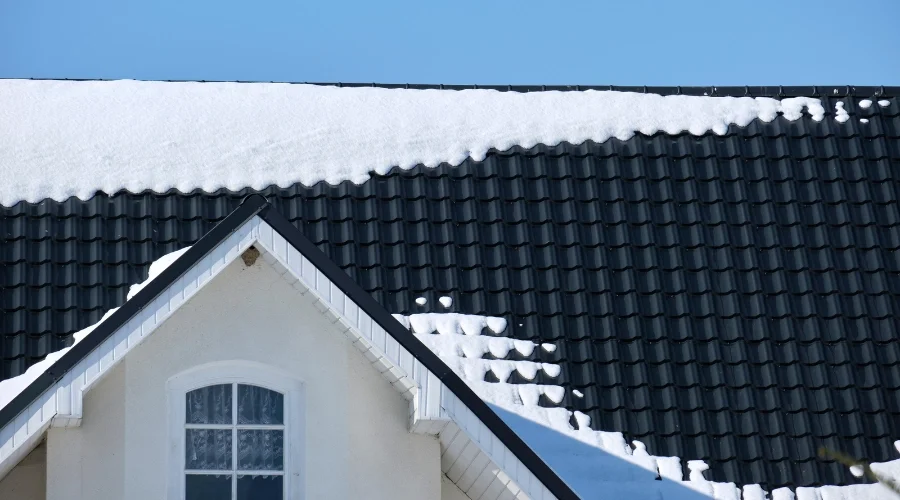
Winter in New Jersey brings more than just snow and cold temperatures. It brings ice, freezing rain, powerful nor'easters, and temperature swings that can wreak havoc on your roof. While you can't control the weather, you can take steps to protect your home from winter storm damage and know what to do when damage occurs.
Here's your complete guide to winter roof protection for New Jersey homeowners.
Why Winter Is Particularly Hard on NJ Roofs
New Jersey's coastal location and variable winter weather create a perfect storm of roofing challenges:
Freeze-Thaw Cycles
Our winters rarely stay consistently cold. Temperatures fluctuate above and below freezing, causing snow and ice to melt during the day and refreeze at night. This constant expansion and contraction can lift shingles, crack flashing, and force water into places it shouldn't be.
Ice Dam Formation
When heat escapes through your roof, it melts snow on the upper sections. That water runs down to the colder eaves where it refreezes, creating a dam. As more water backs up behind the ice, it's forced under shingles and into your home. Ice dams are one of the most common causes of winter roof damage in our area.
Heavy Snow Loads
While our snowfall isn't as extreme as northern states, heavy, wet snow can still put significant stress on roof structures. This is especially true for older roofs or those with existing weakness.
Wind-Driven Rain and Snow
Nor'easters and winter storms bring powerful winds that drive precipitation horizontally, finding vulnerabilities in your roofing system that might not be apparent during gentle rainfall.
Rapid Temperature Drops
When temperatures plummet quickly, roofing materials contract rapidly. This can cause brittle shingles to crack and existing damage to worsen.
Pre-Winter Roof Protection Checklist
The best defense against winter storm damage is preparation. Complete these tasks before winter weather arrives:
Schedule a Professional Roof Inspection
A pre-winter inspection catches small problems before winter weather turns them into emergencies. A qualified roofer will check for:
Loose, damaged, or missing shingles
Compromised flashing around chimneys, vents, and skylights
Deteriorating roof cement and sealant
Signs of previous water damage
Structural concerns
Proper attic ventilation
Clean Your Gutters and Downspouts
Clogged gutters contribute to ice dam formation and prevent proper water drainage. Clean gutters allow water to flow away from your roof and home, reducing the risk of backup and ice formation. Do this after leaves have fallen but before the first freeze.
Trim Overhanging Tree Branches
Heavy snow and ice can bring down branches that scrape against your roof or, worse, fall and puncture it. Trim any branches hanging within six feet of your roof before winter arrives.
Check Attic Insulation and Ventilation
Proper attic insulation prevents heat loss that contributes to ice dam formation. Your attic should be cold in winter, not warm. Good ventilation keeps air circulating and temperatures even. If your attic feels warm in winter, you likely need better insulation or ventilation.
Inspect and Repair Flashing
Flashing around chimneys, vents, and where roof planes meet is particularly vulnerable to winter damage. Make sure all flashing is secure and sealed before winter weather hits.
Replace Damaged or Aging Shingles
Shingles that are already compromised won't survive winter weather. Replace any damaged shingles now rather than waiting for them to fail during a storm.
Recognizing Winter Storm Damage
Not all winter roof damage is immediately obvious. Watch for these warning signs after winter storms:
Interior Warning Signs:
Water stains on ceilings or walls
Dripping or moisture in the attic
Daylight visible through the roof boards
Ice buildup in the attic
Unusual odors that might indicate mold or mildew
Increased heating costs (indicating air leaks)
Exterior Warning Signs:
Missing, curled, or damaged shingles
Ice dams along roof edges
Icicles hanging from gutters (often indicate ice dam issues)
Sagging or drooping roof sections
Damaged or displaced flashing
Granules from shingles collecting in gutters
Visible cracks or holes in roofing material
What to Do Immediately After Storm Damage
If you discover or suspect roof damage during or after a winter storm, take these steps:
Safety First
Never attempt to climb on a snow or ice-covered roof. Even if the roof itself isn't damaged, the conditions are dangerous. Instead:
Assess damage from the ground using binoculars if needed
Check your attic for signs of leaks or damage
Document what you can see from safe locations
Contain Interior Damage
If water is entering your home:
Place buckets or containers under active leaks
Move furniture and belongings away from affected areas
Use towels to absorb standing water
Turn off electricity to affected areas if water is near outlets or fixtures
Document Everything
Take photos and videos of:
Exterior damage (from the ground)
Interior water damage
Any visible holes, missing shingles, or compromised areas
Damaged property or belongings
This documentation is essential for insurance claims.
Contact Your Insurance Company
Report damage to your homeowner's insurance as soon as possible. Most policies require prompt notification. They can guide you through their claims process and may send an adjuster to assess the damage.
Call for Professional Assessment
Contact a licensed roofing contractor Little Egg Harbor for professional assessment and emergency repairs if needed. Don't wait for the damage to worsen. Even if you're not sure whether the damage requires immediate attention, a professional can help you determine the urgency.
Emergency Temporary Repairs
While you wait for professional help, you might need to take temporary measures to prevent additional damage:
Interior Water Management
Set up buckets, move items to safety, and use plastic sheeting to protect furniture. If you can safely access the attic, spread plastic sheeting to catch dripping water.
Do NOT Attempt These Yourself:
Walking on an icy or snow-covered roof
Trying to break up ice dams with tools (you'll likely damage the roof further)
Applying heat to ice dams with torches or heat guns
Working on the roof in dangerous weather conditions
Leave actual repairs to professionals. The risk of injury or causing additional damage is too high.
The Ice Dam Problem
Ice dams deserve special attention because they're so common in New Jersey winters and can cause significant damage.
How Ice Dams Form:
Heat escapes through your roof, melting snow on the upper sections
Melted water runs down the roof toward the eaves
When it reaches the colder eaves, it refreezes
Ice builds up, creating a dam
Additional meltwater backs up behind the ice
Water seeps under shingles and into your home
Preventing Ice Dams:
Ensure proper attic insulation to prevent heat loss
Maintain good attic ventilation to keep the roof cold
Keep gutters clean so water can drain properly
Consider installing heat cables along the roof edge in problem areas
Remove snow from the roof after heavy storms (hire professionals for this)
If You Have an Ice Dam:
Don't try to chip away the ice yourself. Instead:
Call a roofing professional who has proper equipment and techniques
In the meantime, use a roof rake to remove snow from the ground (if you can reach it safely)
Never use salt or chemical ice melters on your roof
Long-Term Winter Roof Protection
Beyond immediate storm preparation, consider these longer-term solutions:
Upgrade Attic Insulation
Proper insulation is your best defense against ice dams. The recommended R-value for New Jersey attics is R-38 to R-60. If your insulation is below this or has degraded over time, upgrading can prevent many winter roofing problems.
Improve Attic Ventilation
Good ventilation keeps your attic temperature consistent with outdoor temperatures, preventing the warm spots that contribute to ice dam formation. This might include adding ridge vents, soffit vents, or gable vents.
Install Ice and Water Shield
During roof replacement or major repairs, have ice and water shield installed along the eaves and in valleys. This waterproof membrane provides an extra layer of protection in areas most vulnerable to ice dam damage.
Consider Architectural Changes
If you repeatedly have problems in certain areas, architectural changes like improving roof pitch or modifying overhangs might be worth discussing with a roofing professional.
After the Storm: Getting Permanent Repairs
Once winter weather passes and conditions are safe, address any damage with permanent repairs:
Professional Inspection
Have a thorough inspection done in good weather conditions. Storm damage can be more extensive than it first appears, and some issues might only be visible once snow and ice are gone.
Complete Repairs Promptly
Don't let winter damage sit unrepaired through spring and summer. Water damage compounds over time, and what started as a small leak can become structural damage if ignored.
Review Your Roof's Overall Condition
If your roof suffered significant winter damage and is more than 15-20 years old, discuss whether full replacement makes more sense than ongoing repairs.
Working with Insurance for Winter Storm Damage
Understanding your insurance coverage helps ensure you're adequately compensated for storm damage:
What's Typically Covered:
Wind damage to shingles
Roof damage from fallen trees or branches
Structural damage from snow load (if sudden and significant)
Water damage that results from storm-caused roof damage
What's Typically NOT Covered:
Damage from lack of maintenance
Wear and tear
Damage from ice dams (sometimes, check your policy)
Cosmetic damage that doesn't affect function
Working with Your Insurance Company:
Report damage promptly
Document everything thoroughly
Keep records of all communications
Get multiple estimates from licensed contractors
Understand your deductible and coverage limits
Don't sign anything until you understand it fully
Many roofing companies work directly with insurance adjusters and can help navigate the claims process.
The Bottom Line on Winter Roof Protection
New Jersey winters are tough on roofs, but preparation and quick response to damage can save you thousands of dollars and protect your home from serious water damage. The key is staying ahead of problems with preventive roof maintenance rather than reacting to emergencies.
Schedule your pre-winter roof inspection now. Clean those gutters. Check your attic insulation. And when storm damage occurs, respond quickly with professional help.
At G.R.M. Roofing, we understand the unique challenges New Jersey winters present to your roof. We provide comprehensive pre-winter inspections, emergency storm damage response, and permanent repairs to keep your home protected year-round. Serving Tuckerton, Little Egg Harbor, Barnegat, and surrounding Ocean County communities, we're here before, during, and after the storm.
Don't wait until winter storm damage becomes a crisis. Contact G.R.M. Roofing today to schedule your pre-winter roof inspection and protect your most important investment.