Is $30,000 Too Much for a New Roof in 2026? What to Know
Is $30,000 Too Much for a New Roof in 2026? What to Know
Sep 16, 2026

What Drives Roof Replacement Costs Up
Quick Summary:
Roof cost isn't just about square footage. Roof pitch, layers of old shingles, hidden decking damage, and coastal wear all add work. The more a crew has to fix before they can even start the new roof, the more the job grows.
A roof quote looks simple on paper. But there's a lot happening under the surface that changes the scope of the job. We see this a lot in Little Egg Harbor: two houses that look almost the same from the street end up needing very different work once we get up on the roof.
Size matters, sure. A bigger roof needs more material and more labor. But pitch matters just as much. A steep roof takes longer to work on safely. Crews move slower, use more safety gear, and can't cover as much ground in a day. That adds time, and time adds cost.
Number of existing shingle layers that need to come off before new roofing goes down
Decking damage found once old shingles are removed
Roof complexity, like valleys, chimneys, skylights, and multiple angles
Salt air and wind exposure common along the Little Egg Harbor coastline
Access issues, like steep driveways or homes packed close together
Whether solar panels need to be detached and reset during the job
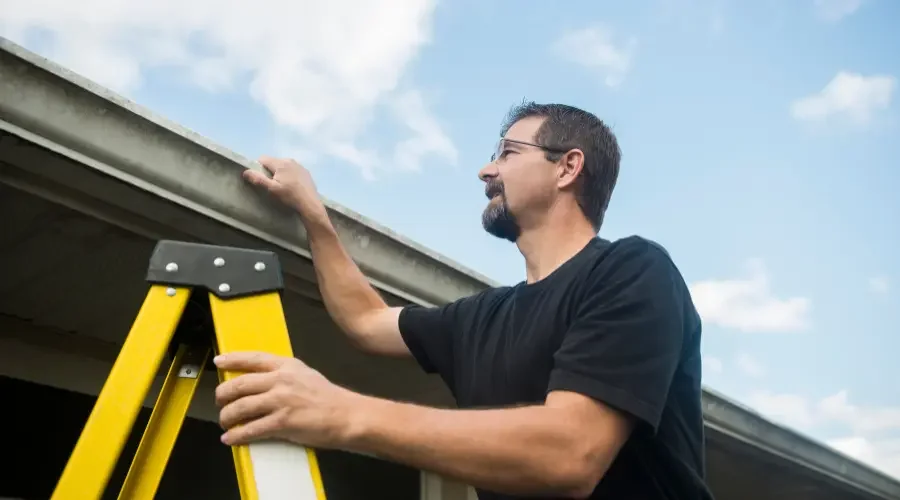
We inspected a home near the bay last season. From the ground, the roof looked fine, a little worn, nothing alarming. Once we got up there, we found two layers of old shingles and soft decking underneath. The homeowner had no idea. The roof looked fine from the ground, the decking underneath told a different story.
That's the thing about roofing. What you can't see costs more than what you can. And salt air doesn't help. Homes closer to the water tend to show rust on flashing and fasteners years before homes further inland. Wind uplift is another factor here. Coastal storms push and pull at shingles in ways inland homes rarely deal with, so materials and installation methods matter more here than in a lot of other places.
So why does one roof cost more than another that's the same size? Usually it comes down to what's hiding underneath, how steep it is, and how much wear the coast has already caused. Nobody can tell you the real cost without looking at your roof up close.
Repair or Full Replacement: How to Decide
So how do you know if you need a quick fix or a whole new roof? This is the question we get asked more than almost any other. And it's a fair one, because nobody wants to pay for a full roof replacement if a repair would do the job just fine.
A good rule of thumb starts with your roof's age. If your roof is under 10 years old, a repair is usually enough, most damage at that stage is isolated. But once you're past the 15 to 20 year mark, repairs start to feel like putting a bandage on a bigger problem.
Check the age of your roof. Anything near or past 20 years old is worth a full inspection, not just a patch.
Look at how much of the roof is affected. One leak in one spot is a repair. Shingles curling or missing across the whole surface points to replacement.
Think about how many times you've called for repairs already. Two or three fixes in a couple years usually means the underlying roof is failing.
Consider storm damage. Wind and salt air along the Little Egg Harbor coast wear roofs down faster, so storm-related damage often spreads wider than it looks from the ground.
Ask about the decking underneath. If the wood underneath your shingles is soft or rotted, repair isn't really an option anymore.
Get an inspection before deciding anything. We always tell homeowners not to guess on this one.
We see this mistake all the time: a homeowner pays for a repair, then pays for another one eight months later. And eventually those small bills add up to more than a replacement would have cost in the first place. That's part of why the $30,000 number sometimes shows up in conversation, when repairs keep stacking, replacement starts looking like the better deal.
Coastal homes in Little Egg Harbor deal with salt air and wind that inland roofs never face.
That salt air eats away at flashing and fasteners faster than most people expect, even on a roof that looks fine from the driveway. If your roof took a hit during storm season, or if you're just not sure whether it's a patch job or something bigger, our roof inspection page walks through what a real inspection looks for and how we make that call with you, not for you.
The honest answer is, you usually can't tell just by looking up from the yard. We climb up, check the decking, check the flashing, and check for soft spots. Then we tell you straight what we found, no upselling, no guessing.
Four Roof Scenarios and What They Usually Mean
Every roof job is different, but most calls we get fall into one of four buckets. Knowing which one fits your house helps you understand why one neighbor's job looked simple and yours might not. We see this a lot in Little Egg Harbor, where salt air and coastal wind speed up wear in ways inland homes just don't deal with.
Small patch or spot repair: a few missing shingles after a storm, a small leak around a vent pipe. Quick fix, low scope, usually done in a single visit.
Moderate repair with underlying damage: the leak turns out to be older than you thought, and there's soft wood or hidden rot under the shingles. Bigger scope than expected.
Full replacement, standard asphalt roof: your roof is past its working life, decking is solid, and it's a straightforward tear-off and re-cover on a typical single-family layout.
Full replacement with added complexity: steep pitch, multiple layers to remove, chimney or skylight flashing work, or solar panels that need to be detached and reset before and after the job.
That fourth scenario is where bigger numbers show up more often. And it's not because someone's padding the job. Removing solar panels safely, resetting them after new shingles go down, and handling extra flashing all take more time and more hands. Homes near the water in Little Egg Harbor also tend to need extra attention to flashing and ventilation, since salt air corrodes metal faster than it does further inland.
So which one are you?
Most homeowners can't answer that just by looking at their roof from the ground. A soft spot on the ceiling could mean a small leak or it could mean the decking underneath has been wet for months, that's the kind of thing you can't guess at from a photo. We've walked up on plenty of roofs where the outside looked fine and the inside told a totally different story.
This is exactly why a real inspection matters more than a phone estimate. A trained eye on your actual roof can usually tell within an hour which of these four scenarios you're in, and that changes everything about what comes next.
Frequently Asked Questions
Common questions about Is $30,000 Too Much for a New Roof in 2026? What to Know
-
Look at the age, spread of damage, and how many times you've called for fixes already. A roof under 10 years old with one leak usually just needs a repair. A roof near 20 years old with curling shingles in several spots is likely due for replacement. If you've had two or three repairs in a couple years, the roof underneath may be failing. An inspection gives you a clear answer instead of a guess.
-
You can spot some warning signs yourself, but a professional finds what you can't see from the yard. Missing shingles, sagging spots, or granules in your gutters are things you might notice on your own. But soft decking, rusted flashing, and hidden rot only show up once someone climbs up and checks. Calling a professional before you decide protects you from paying for a repair that won't fix the real problem.
-
The biggest mistake is patching the same problem over and over instead of asking why it keeps happening. A homeowner fixes a leak, then fixes another one eight months later, and those small bills stack up fast. By the time three repairs are done, a full replacement often would have cost less overall. If your roof keeps needing attention, ask for a full inspection instead of another quick patch.
-
Salt air and coastal wind speed up wear on flashing, fasteners, and shingles near the water. Homes closer to the bay often show rust and loosened materials years before similar homes further inland see the same damage. Wind uplift during coastal storms also pushes and pulls at shingles harder than inland weather does. This is why materials and installation methods matter more for homes near the Little Egg Harbor coastline.
-
The difference usually comes down to what's hidden underneath, not the size of the roof. One home might have solid decking and a simple layout, while a similar-sized home next door has soft wood, extra shingle layers, or a steep pitch that slows the crew down. Coastal wear can also hit one roof harder than another, even on the same street. Our roof inspection page explains what we look for before giving you a real number.
-
Hidden damage hides under the shingles, where soft decking and rot don't show from the yard. A roof can look worn but stable from the driveway while the wood underneath is already failing. This is common along the coast, where salt air attacks flashing and fasteners before any visible sign appears on top. Getting up close is the only way to know what's really going on.
Ready to Get Started?
Get a Free Estimate. Call (609) 389-2485 today.