What Is the 25% Roofing Rule and How Does It Affect Your Replacement?
What Is the 25% Roofing Rule and How Does It Affect Your Replacement?
Sep 24, 2026
What the 25% Roofing Rule Means
Quick Summary:
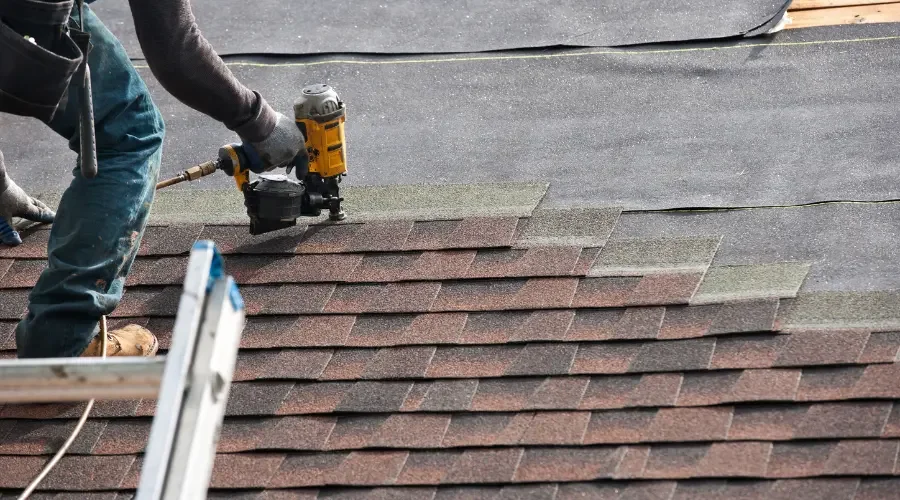
The 25% roofing rule says if more than a quarter of your roof needs repair, most building codes require the whole roof to be brought up to current standards. That often means a full roof replacement instead of a patch job. It matters because it affects cost, permits, and how your roof holds up in coastal weather.
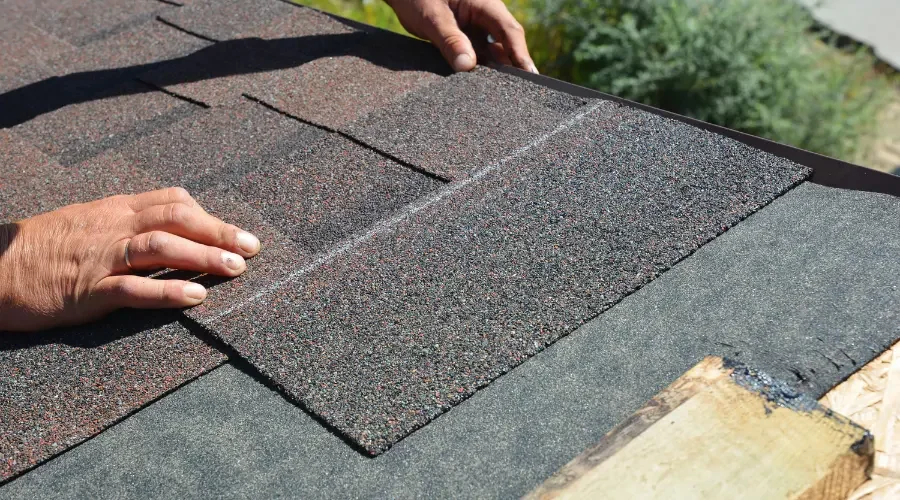
What is the 25% roofing rule? It's a building code guideline. Many towns use it, including Little Egg Harbor. The rule says if damage covers 25% or more of your roof, you can't just patch that spot. The code asks you to replace the whole roof. We see this a lot after storm season, honestly.
Here's why this rule exists. Old roofs and new roofs don't always mix. Patching a small section with new shingles next to twenty-year-old material causes issues later. Leaks, mismatched flashing, uneven wear-it all adds up. The rule saves homeowners from a roof that's half new, half falling apart.
How do you know if you've hit that 25% mark? A roof inspection is the only real way. We measure the damaged area against the total roof size. Then we show you what we found. Most homeowners can't eyeball this. Guessing wrong can cost you big later.
Storm damage across multiple roof sections, not just one spot
Older shingles near their end mixed with newer repairs
Water damage under more than a quarter of the roof deck
Multiple past repairs adding up to a large percentage over time
Local code updates since your roof was last worked on
Living on the Jersey Shore adds another layer. Salt air and wind wear roofs down faster here. A roof that lasts longer inland can hit that 25% threshold sooner near the water. We always consider that in our free roof inspections.
This isn't about pushing you into a bigger job than you need.
It's about being upfront with what code requires. It's about what your roof really needs. If your damage is small, a repair might be fine. But if it's spread out, replacement is often the safer, more affordable choice. A free roof inspection is the easiest way to know where you stand. You won't spend a dime to find out.
How Roofers and Adjusters Measure Damage Percentage
So how does anyone get a number like 25 percent? It's not a guess. We measure your roof section by section, called slopes. Each slope gets checked on its own. A garage roof might have light wind damage. But the main house slope could take a real beating. We see that often on Little Egg Harbor homes near the water. One side just takes the brunt of the wind.
Here's the basic process most roofers and adjusters use. They're figuring out that damage percentage.
Walk the whole roof, break it into slopes.
Count damaged shingles, cracks, missing granules on each slope.
Measure damaged area against that slope's total size.
Check for matching shingle availability (discontinued shingles can bump the percentage).
Take photos, notes for every damaged spot.
Add up the numbers to see if any slope, or the whole roof, crosses that 25 percent mark.
We climb up and check flashing, valleys, and around vents. Storm damage hides in spots people don't think to look. Under a ridge cap, behind a chimney. And salt air along the coast speeds up wear on metal flashing. Small damage can look worse once age is a factor. It's wild.
Most homeowners don't realize insurance adjusters and roofers can get different percentages on the same roof. That's why good photos and notes matter so much.
We've walked roofs where a homeowner thought they had only a few missing shingles. But after we checked every slope, the real number was closer to 30 percent. Photos and measurements backed it up. That kind of detail turns a 'maybe' into an approved replacement, you know?
A rough guess from the ground isn't good enough for an insurance claim. But a slope-by-slope inspection with photos gives you something solid to bring to your adjuster.
This is why we offer a free roof inspection. We walk the whole roof, measure every slope. We give you real numbers instead of a guess.
Repair or Replace: A Scenario-Based Decision Guide
The 25% rule sounds simple. But real roofs don't always fit into a neat math problem. So let's look at a few situations we see around Little Egg Harbor. We'll see how the rule plays out.
Imagine a nor'easter. It rips a dozen shingles off one slope of your roof. The rest looks fine. If that damaged section is under 25% of the total roof area, a targeted roof repair usually gets the job done. We patch it, match shingles as best we can. You're covered again before the next storm.
Now, flip that. Say that same storm damaged two slopes. And an inspector finds soft spots on a third from an older leak no one saw. Add that up. You're often past the 25% mark. Then, most local codes push the whole roof toward replacement. Not a patchwork fix.
Here's a quick way to think it through. You're standing in your yard, looking up at the roof. You're wondering what to do next.
Get a full roof inspection, not just a peek at the damage.
Ask for total damaged square footage versus the whole roof.
Check if damage is spread out or in one area.
Ask how old undamaged sections are (aging shingles count against you).
Compare that total to your local code's 25% mark.
Salt air makes this trickier here on the coast. It ages shingles faster than inland homes ever see. A roof that looks okay from the ground might be closer to that 25% line than you'd guess. We've walked up on roofs that seemed fine. Then we found granule loss and brittle shingles the homeowner had no idea about. By the way, those surprises are common in coastal roofing.
One more scenario. A homeowner near the bay had wind damage. On one section. Plus, solar panels. A different crew installed them years ago. Once we got up there, we found roofing issues under the panels too. That combo pushed the job past a simple repair. We handle roof repair and replacement with solar panels in-house. That includes safely detaching and resetting panels. So we could look at the whole picture instead of guessing what was hiding underneath.
Not sure which side of the line your roof falls on? That's what a free roof inspection is for.
We'll measure the damage. We check your roof's age and condition. Then we give you a straight answer. Repair or replacement. No guessing games.
Frequently Asked Questions
Common questions about What Is the 25% Roofing Rule and How Does It Affect Your Replacement?
-
You can patch small, isolated damage yourself if it's under a few shingles and doesn't touch the deck. Once damage spreads across multiple slopes or you spot soft spots and water stains, call a professional. DIY patches on top of aging shingles often hide bigger problems, like soft decking or hidden leaks. A professional inspection measures the real damage percentage instead of guessing from the ground. This matters most near the water, where salt air ages roofs faster than homeowners expect.
-
Many homeowners think the 25% rule only applies after a major storm, but it counts total damage over time. Old repairs, aging shingles, and small leaks all add to that percentage, even if no single event caused them. We've measured roofs where separate small issues added up to 30% without one big storm. That's why a full roof inspection, not a quick glance, gives you the real number code officials and adjusters use.
-
Yes, salt air and constant wind wear down roofs faster here than inland homes ever experience. Shingles, flashing, and vents age quicker near the bay, which pushes damaged areas closer to that 25% mark sooner. A roof that looks fine from your yard could already be near the threshold once granule loss and brittle shingles are factored in. We check for these coastal wear patterns during every free roof inspection in Little Egg Harbor.
-
No, adjusters and roofers can reach different numbers on the same roof. The difference usually comes down to photos, notes, and how carefully each slope was measured. A rough estimate from the ground isn't strong enough for an insurance claim. Detailed, slope-by-slope measurements with photos give you solid proof to bring to your adjuster, which can turn a denied claim into an approved replacement.
-
Solar panels can hide roofing damage underneath them, which adds to your total damaged percentage once discovered. We've inspected homes near the bay where wind damage on one slope, combined with hidden issues under panels, pushed the total past 25%. Panels also make repairs trickier, since matching shingles around mounts isn't always simple. If you have solar panels, ask for an inspection that checks both the visible roof and the areas underneath.
Ready to Get Started?
Get a Free Estimate. Call (609) 389-2485 today.