How Do Home Inspectors Check Roofs? What to Expect
How Do Home Inspectors Check Roofs? What to Expect
Sep 13, 2026
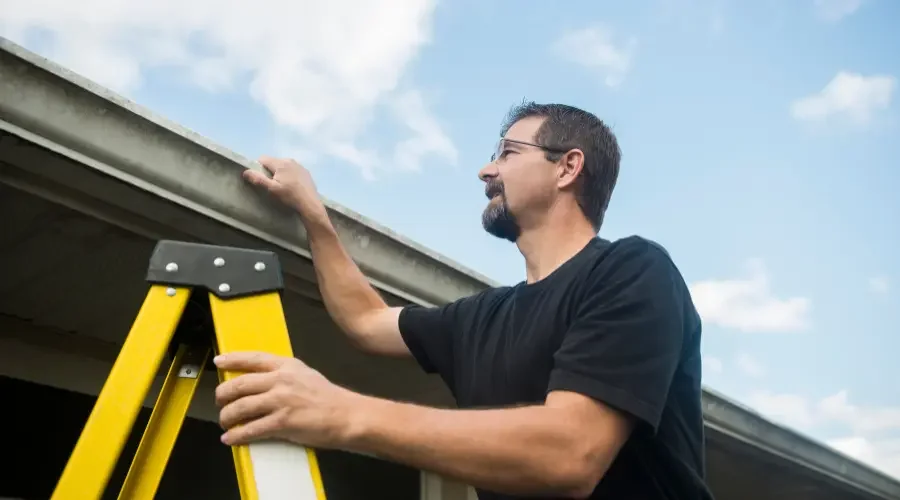
What a Home Inspector Checks on Your Roof
Quick Summary:
Home inspectors check your roof for wear, damage, and safety. They look at everything from shingles to flashing to gutters. How do home inspectors check roofs? They inspect, they measure, and they note any issue that could become a real problem later.
A roof inspection isn't just a quick peek from the sidewalk. Most inspectors climb up. They walk the roof line if it's safe. We see this often in Little Egg Harbor, where salt air and wind speed up wear on shingles and metal parts. An inspector's job is to catch small issues early. Before they turn into big repairs.
Ever wonder why they focus so much on flashing? Because flashing is where leaks usually begin. The metal strips around chimneys, vents, and skylights get a real beating from coastal weather. If your flashing is loose or rusted, water will get in fast. That's just how it works.
Shingle condition, including cracking, curling, or missing granules
Flashing around chimneys, skylights, and vent pipes
Roof decking for soft spots or sagging
Gutters and downspouts for clogs or damage
Attic ventilation and signs of moisture inside
The inspector checks the shingles. They look for granule loss and curling. This is usually the first sign a roof is aging too quickly. Homes along the coast near Little Egg Harbor often show this wear sooner than places further inland. The salt air just breaks down materials faster.
Attic checks matter more than most people realize.
An inspector will often go into your attic. They look for water stains, mold, or daylight showing through the boards. If the insulation is wet or matted down, that's a big red flag for a leak somewhere above. But not every problem shows up right away. Some only appear after a hard rain or a windy storm rolls through.
We've walked plenty of roofs where the problem wasn't obvious from the ground. One homeowner near the bay thought a few missing shingles was a small issue. But the decking underneath was already soft from months of hidden moisture.
Why Inspection Reports Say 'Further Evaluation Recommended'
You get your inspection report back. And you see it: 'further evaluation recommended.' Your stomach drops a little. What does that even mean?
Here's the truth. Home inspectors aren't roofers. They walk the roof, note what they see, and move on. They aren't trained to open things up. They won't climb into tight attic corners chasing a leak. When they spot something they can't fully explain, they write that line. It protects you and them.
We see this phrase a lot on older homes near the bay in Little Egg Harbor. Salt air ages roofing faster than people expect, and inspectors know this. If a roof looks fine on the surface but shows small signs of wear, they'd rather flag it than guess.
So what usually triggers this note? A few common things.
Soft or spongy spots felt underfoot during the walk
Staining on the attic ceiling that could mean an old or active leak
Multiple layers of shingles stacked on top of each other
Flashing around chimneys or vents that looks patched or worn
A roof close to the end of its expected life, based on age and condition
None of these mean disaster. But they do mean the inspector wants a second set of eyes. Eyes that belong to someone who works on roofs every day.
This is where many homeowners freeze up. They aren't sure if 'further evaluation' means a big repair or nothing at all. And, you won't know until someone gets up there and looks closer.
That's normal. It's a good sign the home inspector did their job right.
Think about a house on a canal near Mystic Islands. The inspector notices curling shingles on the south side. That's the side that takes the most sun and salt spray. He can't tell if it's cosmetic or a sign of failing material underneath, so he flags it. A homeowner who skips the follow-up might buy a house needing a roof replacement sooner than planned. Or a seller might lose a buyer over a repair that would've taken one visit to sort out.
We're a family-owned roofing company working right here in Little Egg Harbor. We get calls about this exact phrase all the time. Our crew is GAF Master Elite certified, and they know what coastal wear looks like versus what's a real problem.
Reading Your Report: Three Common Roof Findings and What They Mean
Getting a roof report back can feel like reading another language. We get it. Homeowners in Little Egg Harbor call us often asking what a line item means for their house. Let's break down the three findings we see most, and what each one really tells you.
Most reports group problems by how urgent they are, not by how scary they sound. A small note can matter more than a long paragraph. Here's what shows up again and again around here, thanks to salt air and coastal wind.
Granule loss: This shows up as bald spots on shingles or grit collecting in your gutters. It means the shingle's protective layer is wearing thin. One or two spots isn't an emergency. Widespread loss across the roof usually means the shingles are near the end of their life.
Flashing issues: Flashing is the metal strip around chimneys, vents, and roof edges. Honestly, it's the number one spot for leaks, especially on older Little Egg Harbor homes near the water. A gap or rust spot here can let water sneak in even if the shingles look fine.
Soft decking: This means the wood under the shingles has soaked up water and gone spongy. An inspector usually finds it by walking the roof and feeling for give underfoot. This one matters, because soft decking almost always means a repair, not just a patch.
So which one should worry you most? But, it depends on where it's found and how far it's spread. A little granule loss on a south-facing slope after a hot summer is normal wear. Soft decking near a valley after a storm is a different story.
We've walked roofs where the shingles looked fine from the ground. But the decking underneath was already failing.
This is exactly why we don't just hand you a report and disappear. When you book a free roof inspection with us, we walk you through every finding in plain terms. We'll tell you straight if something can wait or if it needs attention now. If you want a closer look at how our team handles the full inspection process, check out our.
For anyone who's been staring at a report wondering what it means for their home, that's exactly what our roof inspection service is built to explain.
Frequently Asked Questions
Common questions about How Do Home Inspectors Check Roofs? What to Expect
-
Home inspectors check roofs by walking the roof line when it's safe, then looking at shingles, flashing, decking, and gutters up close. They check for cracked or curling shingles, rusted flashing around chimneys and vents, and soft spots in the decking. They also go into the attic to look for water stains or daylight coming through the boards. This gives you a full picture of your roof's condition before small issues turn into costly repairs.
-
You can look at your roof from the ground, but you shouldn't climb up and inspect it yourself. Roofs can hide soft decking or loose flashing that only a trained eye can spot. Walking on a damaged roof is also risky, especially near coastal wind gusts common in Little Egg Harbor. A professional knows what coastal wear looks like versus a real problem. If your inspection report flags something, it's worth having a roofer take a closer look.
-
Many homeowners assume any flagged issue means a full roof replacement, but that's usually not true. Most findings, like small granule loss or a single patched flashing spot, are just normal wear. The report is meant to point out where to look closer, not to scare you into a bigger job than needed. Reading your findings for what to expect from a roof inspection helps you understand which issues need quick action and which can wait.
-
Salt air speeds up rust and material breakdown on roofs near the water. Homes near the bay and canals in Little Egg Harbor often show granule loss, curling shingles, and rusted flashing sooner than homes further inland. Wind off the water also loosens shingles over time. This is why local inspectors flag issues here more often than in other areas. Knowing this helps you plan ahead for maintenance instead of getting surprised by a report.
-
This note means the inspector saw something they can't fully explain and want a roofer to check it closer. Inspectors aren't roofers, so they don't open up shingles or climb into tight attic spaces chasing leaks. Common triggers include soft spots, attic staining, or worn flashing. It doesn't always mean a major problem. It just means someone who works on roofs every day should take a second look before you move forward.
-
It depends on where the issue is found and how much of the roof it covers. A little granule loss on one sun-facing slope is often normal aging. Soft decking near a valley, especially after a storm, usually means a real repair is needed. Location and spread matter more than the words used in the report. If you're unsure what your findings mean, our free inspection can help you sort out what needs attention now.
Ready to Get Started?
Get a Free Estimate. Call (609) 389-2485 today.