Best Vinyl Siding for Coastal NJ Homes
Best Vinyl Siding for Coastal NJ Homes
June 21, 2026
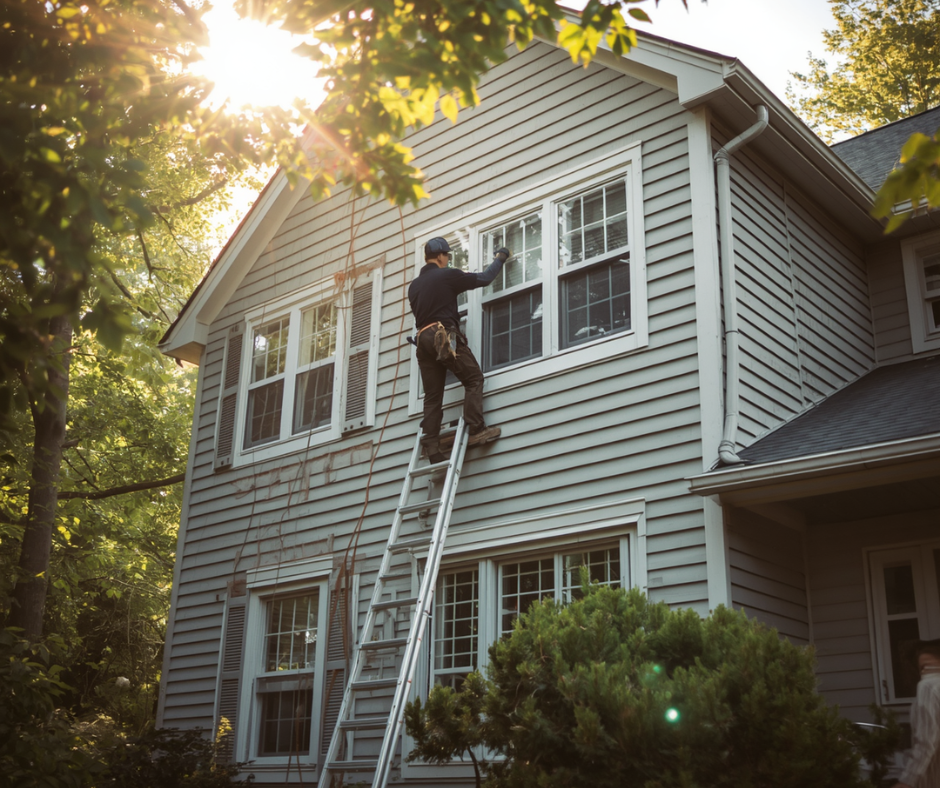
Living near the water is great. Replacing your siding every 15 years because of salt damage is not. Coastal homes in Ocean County deal with conditions most inland homes never see. Wind-driven rain. Salt spray. High humidity. Sudden temperature swings during a nor'easter.
Not all vinyl siding is built for that. Here is what actually holds up at the shore, and what to look for when you pick a product for your home.
What Coastal Weather Does to Siding
Before we talk products, it helps to know what you are up against.
Salt air. Salt eats fasteners and seeps into seams. Cheap vinyl turns brittle faster on coastal homes.
Wind. Long Beach Island, Beach Haven West, and other open-water coastal areas regularly see strong gusts during storms. Panels that are not rated and fastened right can rip off.
Humidity. Trapped moisture behind siding feeds mold and rots sheathing.
UV exposure. Sun reflecting off water and sand fades panels faster than inland homes.
Storms. Nor'easters and the occasional hurricane test every panel and every seam.
The right vinyl handles all five.
Features to Look For in Coastal Vinyl Siding
1. Wind Rating of 160 mph or Higher
Standard vinyl carries a wind rating of around 110 mph. For shore homes, look for the higher wind ratings available. Premium lines often go up to 200 mph. Check the manufacturer spec sheet. If it does not list a wind rating, move on.
2. Thicker Panels (.044 Inches and Up)
Thickness is the simplest way to tell quality vinyl from builder grade. Builder grade vinyl is around .040 inches thick. Premium lines come in at .046 to .055 inches, and the thicker panels generally hold up better on coastal homes. Thicker panels resist cracking, hold their shape better in heat, and stand up to flying debris during storms.
3. Fade-Resistant Color Technology
Most major brands now use a color-lock or fade-resistant process. This matters more at the shore because of the sun reflecting off water. Without it, dark colors fade unevenly within five to ten years.
4. Insulated Backing
Insulated vinyl has a layer of foam backing fused to the panel. It does three things. It improves energy efficiency. It dampens noise from wind and rain. And it adds rigidity, so panels are less likely to flex or crack in a storm.
5. Stainless or Coated Fasteners
This one is on the installer, not the panel. Regular galvanized nails rust out near the ocean. We use stainless or specially coated fasteners on every coastal job. Ask any contractor what fasteners they plan to use before you sign a contract.
Vinyl Siding Styles That Work at the Shore
Style is mostly about looks, but a few hold up better than others on coastal homes.
Dutch lap. A classic shore look. The shadow line hides minor surface marks well.
Clapboard. The most common style. Wide range of thickness options.
Shake or shingle. Mimics cedar shake. Great for capes and bungalows in Tuckerton and West Creek. Look for thicker versions to handle wind.
Board and batten. Vertical look. Sheds water well, which helps during heavy rain.
Most shore homes do well with Dutch lap or a thicker clapboard. Shake-style panels are gaining ground for Cape Cod and beach-style homes.
What to Avoid on a Coastal Home
Builder grade vinyl thinner than .040 inches. It cracks within a few seasons.
Dark colors without fade-resistant tech. They warp and fade unevenly.
Standard galvanized fasteners. They rust out near salt air.
Skipping the moisture barrier behind the panels. It is non-negotiable on the coast.
Why Local Coastal Experience Matters
Vinyl siding is only as good as the install. The same premium panel can fail in five years if the fasteners are wrong, the seams are not sealed, or the installer did not allow room for expansion in the heat.
GRM Roofing has worked on homes across Ocean County, from Barnegat Bay to Long Beach Island. We know which products hold up on which streets, and we install with shore conditions in mind. One crew, one project manager, no subcontractors.
If your siding is past saving and you want a fresh start with a coastal-grade product, our vinyl siding replacement page covers the full process.
Frequently Asked Questions
What wind rating should vinyl siding have for a shore home?
For coastal homes in Ocean County, look for the higher wind ratings on the market. Standard vinyl is rated around 110 mph. Premium lines can reach 200 mph when installed with the right fasteners and spacing.
Does GRM Roofing install vinyl siding on Long Beach Island?
Yes. We install vinyl siding across Long Beach Island, Beach Haven West, and other coastal communities in Ocean County. We use coastal-grade panels and stainless or coated fasteners to handle salt air and high winds.
How thick should vinyl siding be for coastal NJ?
Builder grade vinyl is around .040 inches thick. Premium grades run .046 to .055 inches, which tend to be the better fit for coastal homes. Thicker panels resist cracking, hold their shape better in heat, and stand up to flying debris during nor'easters.
Do you use stainless fasteners on coastal siding jobs?
Yes. Regular galvanized nails rust out near the ocean. We use stainless or specially coated fasteners on every coastal job in Ocean County. Always ask any contractor what fasteners they plan to use before you sign a contract.
Free Coastal Siding Consultation
Want to talk through which vinyl is right for your home? GRM Roofing offers free on-site consultations across Ocean County, including Tuckerton, Manahawkin, Long Beach Island, Stafford Township, and Barnegat.
Call (609) 389-2485 or visit our vinyl siding page to set up a free walk-through. We will look at your exposure, your current siding, and recommend the right grade for your home.