Squirrels on the Roof? How Wildlife Damages NJ Homes and What to Fix
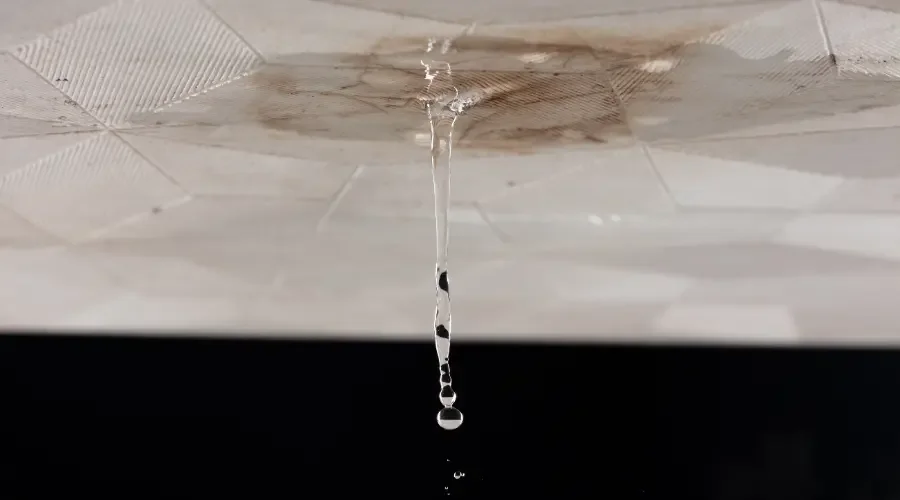
Scratching in the ceiling at dawn. A new leak near a bathroom vent. A small, chewed hole at the edge of the roof. These are often the first signs of squirrel roof damage, and they're more common than most homeowners think.
Squirrels and raccoons look for warm, dry places to nest, and an attic is perfect. To get in, they chew or tear through the weakest parts of a roof. This guide covers where animals get in and the warning signs to watch for. It explains why New Jersey regulates trapping, and how to fix the roof so animals stay out for good.
Where Animals Get Into a Roof
Plumbing Vent Boots
The pipes that stick up through your roof are sealed with a boot or collar. Squirrels chew on the lead versions, and rubber boots crack with age and get chewed through. Either way, rain runs down the pipe and into the ceiling below.
Roof Vents
Many roof vents are plastic or thin aluminum. Squirrels can chew through them, and raccoons can tear them apart. Warm air flowing out of a vent can draw animals right to it.
Soft Roof Edges
Wood at the roof edge stays damp when gutters overflow. Over time it softens, and soft wood is easy to chew. That's one more reason to keep gutters clear.
Where Two Roof Sections Meet
Where a lower roof runs into a wall or soffit, the seal is often not tight. Squirrels find those gaps fast.
Overhanging Branches
Branches that hang over or touch the roof act like bridges. Trimming them back cuts off the easiest route up.
Signs of Squirrel Roof Damage
Scratching or running sounds in the attic, often early in the morning
Bits of chewed vent or shingle near a hole
A new leak near a plumbing vent
Holes or gaps at the roof edge or soffit
Nesting material or droppings in the attic
Remove the Animal Before Fixing the Roof
New Jersey Regulates Trapping
Don't trap and move animals on your own. The state Division of Fish and Wildlife's policy says relocation of nuisance wildlife must be evaluated case by case, as a Middletown Township advisory explains. Call a licensed wildlife control company first.
Don't Seal Them In
If the hole gets closed with animals still inside, they'll chew a new way out. In one Mantoloking job described by a wildlife control company, squirrels trapped in an attic tore a large hole through the vent louvers to escape. Once the animals are out, the roof can be repaired.
How to Fix the Roof the Right Way
Replace Chewed Vent Boots, Don't Tar Them
Smearing tar over a chewed boot is a short-term patch that tends to fail. The fix is a new boot, sealed properly to the shingles around it. Our roof flashing repair page explains how pipe and wall joints should be sealed.
Repair Vents and Roof Edges
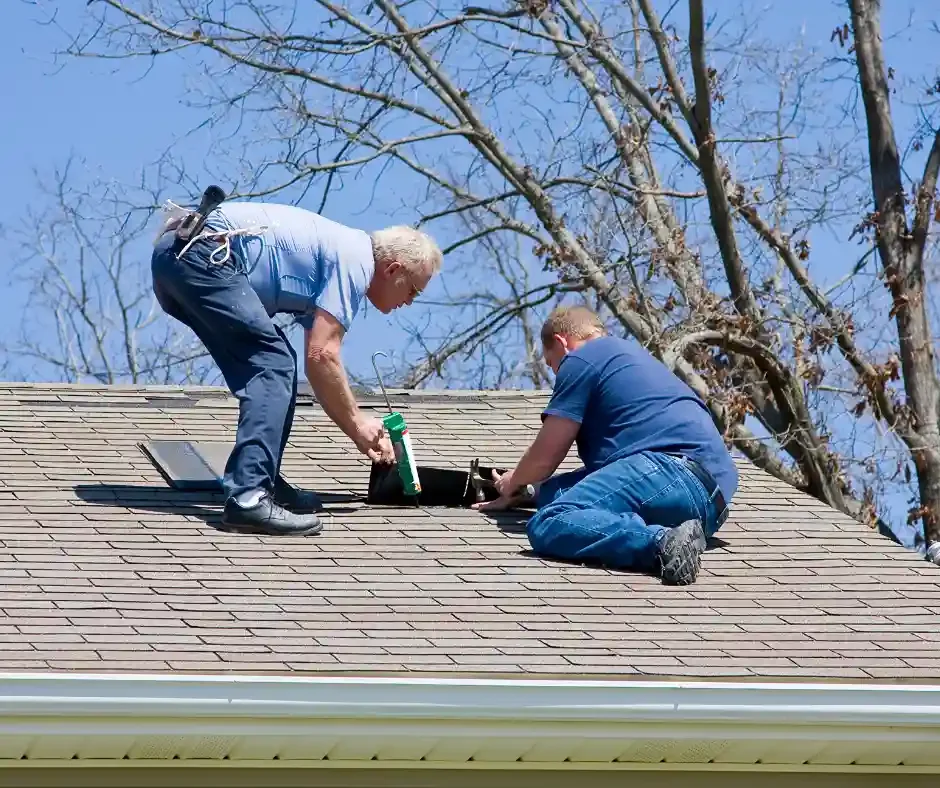
Damaged vents get replaced, and soft wood at the roof edge gets cut out and rebuilt. If water got in, check the attic for stains and wet wood. A free roof inspection can show how far the damage goes.
Check Empty Homes in Spring
Shore homes that sit empty all winter give animals months without anyone noticing. If you own a seasonal home, have the roof and attic checked when you open the house. If a chewed vent is leaking now, our roof repair team can fix it fast.
Frequently Asked Questions
-
Squirrels need to chew to keep their teeth worn down, and lead and rubber vent boots are easy targets. Once a boot is chewed through, rain can run down the pipe and into your ceiling.
-
It's not a lasting fix. Tar over a damaged boot tends to crack and fail. The right repair is a new boot sealed properly to the shingles around it.
-
It's best not to. New Jersey regulates trapping and relocating wildlife, and the state's policy says relocation must be evaluated case by case. Call a licensed wildlife control company, then have the roof repaired.
-
Yes. G.R.M Roofing replaces chewed vent boots, damaged roof vents, and soft roof edges across Ocean County once the animals are out. Inspections are free. Call (609) 389-2485.
-
Trim branches that hang over the roof, keep gutters clear so roof edges stay dry, and fix weak spots like cracked vent boots and plastic vents before animals find them.
The Bottom Line
Squirrel roof damage usually starts small: a chewed vent boot, a torn vent, or a soft spot at the roof edge. Left alone, it turns into leaks, wet wood, and a damaged attic. Get the animals out first with a licensed wildlife company, then fix the roof so they can't get back in. Trim back branches and keep gutters clear to make your roof less inviting. Call G.R.M Roofing at (609) 389-2485 for a free roof inspection.