Vinyl Siding vs. Other Siding Materials in NJ
Vinyl Siding vs. Other Siding Materials in NJ
June 28, 2026
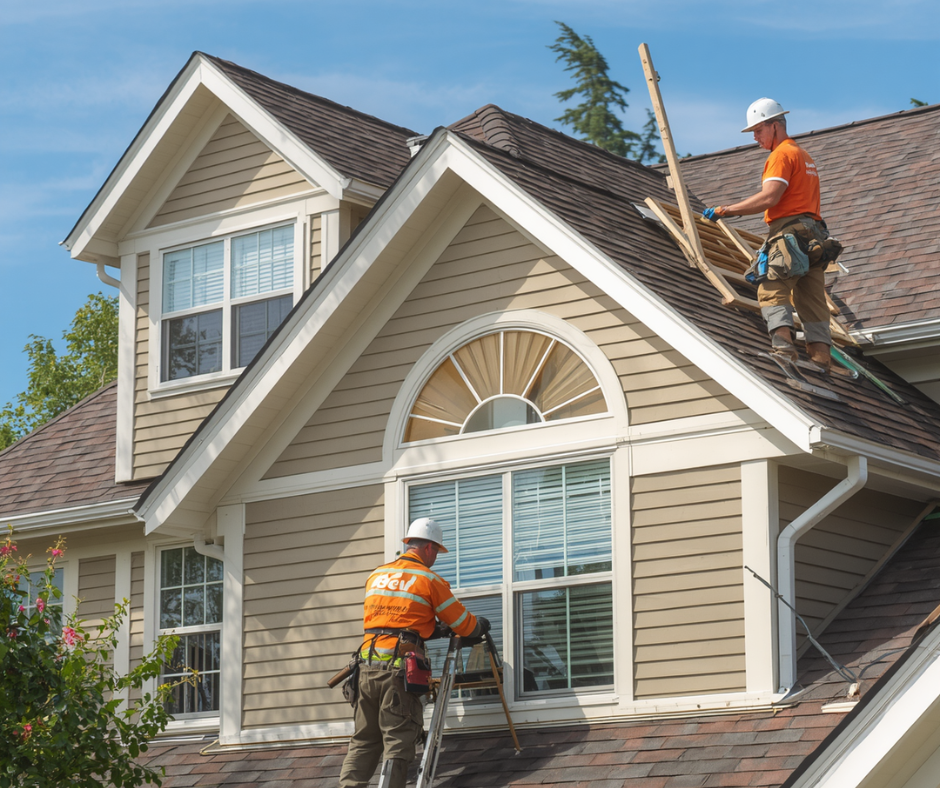
Picking siding is a big decision. You will live with it for 20 to 40 years. The right choice depends on your budget, the look you want, and how much upkeep you are willing to do.
Here is an honest side-by-side of vinyl and the other common siding materials you will see in NJ. No hype, no jargon, just what each one is really like.
Vinyl Siding
Cost. $4 to $12 per square foot installed.
Lifespan. 20 to 40 years.
Upkeep. Almost none. A rinse with a garden hose once a year.
Vinyl is the most popular siding choice in New Jersey for good reason. It is the cheapest option up front, it never needs paint, and modern vinyl handles UV and impact better than the stuff from the 1990s.
Best for: Most NJ homes, especially shore properties where salt air would wreck wood. Also a strong pick for homeowners who do not want to deal with painting or sealing every few years.
Downsides. It can crack in extreme cold. It can melt if a grill is too close. Lower-grade vinyl looks plasticky from up close.
Fiber Cement Siding
Cost. $7 to $15 per square foot installed.
Lifespan. 30 to 50 years.
Upkeep. Repaint every 10 to 15 years.
Fiber cement is a mix of cement, sand, and cellulose fibers. It looks like wood, holds paint well, and is fire resistant. Brands like James Hardie are common in NJ.
Best for: Homeowners who want the look of painted wood without the rot risk. Works well inland and in some coastal areas with the right finish.
Downsides. It is heavy, so install costs run higher. It needs repainting. And it can absorb moisture if the paint film fails, so upkeep matters.
Wood Siding
Cost. Higher than vinyl, with premium cedar at the top end.
Lifespan. 20 to 40 years with regular care. Less near the water.
Upkeep. High. Needs paint or stain every few years.
Real wood looks beautiful. Cedar shake on a shore cottage is a classic look. But wood and the Jersey shore do not always get along. Salt air, humidity, and storms speed up rot. Termites and carpenter ants in central NJ add another worry.
Best for: Historic homes where authenticity matters, or homeowners committed to ongoing upkeep.
Downsides. Highest upkeep of any siding. Vulnerable to rot, pests, and fire. Costly to repair.
Aluminum Siding
Cost. Similar to vinyl on the low end.
Lifespan. 30 to 50 years.
Upkeep. Low to moderate. Dents and fading become an issue over time.
Aluminum was the go-to siding in the 1960s and 70s. You still see it on plenty of older homes in Forked River and Waretown. It is durable and fireproof but dents easily and chalks as it ages.
Best for: Homeowners replacing existing aluminum who want a similar look.
Downsides. Dents from hail or a stray baseball. Color fades. Limited style options compared to vinyl.
Engineered Wood Siding
Cost. Middle of the road, between vinyl and fiber cement.
Lifespan. 20 to 30 years.
Upkeep. Needs repainting on a multi-year cycle.
Engineered wood is treated wood strands bonded with resin. LP SmartSide is the most common brand. It looks like wood, costs less than fiber cement, and is lighter to install.
Best for: Homeowners who want a wood look at a middle price point and do not mind some painting.
Downsides. Less proven track record than vinyl or fiber cement. Can swell if the paint fails.
Quick Side-by-Side Comparison
Here is the short version.
Cheapest up front: Vinyl or aluminum
Longest lifespan: Fiber cement
Best for coastal NJ: Vinyl (mid to premium grade) or properly finished fiber cement
Lowest upkeep: Vinyl
Best wood look: Fiber cement or real cedar
Best for the budget: Vinyl
What We Recommend for Most Ocean County Homes
For most homes in Little Egg Harbor, Tuckerton, Manahawkin, and Long Beach Island, mid to premium vinyl is the smartest pick. The price is fair, upkeep is almost nothing, and modern vinyl handles shore weather well when installed right.
Fiber cement is a strong second choice on paper if you want a more upscale painted-wood look and you are okay with repainting down the line. Wood siding can work on historic or higher-end homes, but plan on the upkeep cost. For most Ocean County homeowners, vinyl gives you the best balance of cost, lifespan, and low maintenance.
If you are leaning vinyl, our vinyl siding replacement page walks through what a full project looks like from start to finish.
Frequently Asked Questions
Is vinyl siding a good choice for coastal NJ homes?
Yes, mid to premium vinyl is one of the best siding choices for coastal Ocean County homes. It handles salt air, humidity, and storms well when installed right. It also costs less than fiber cement and needs almost no upkeep.
What lasts longer, vinyl or Hardie board siding?
Hardie board, also known as fiber cement, lasts longer on paper, with a 30 to 50 year lifespan compared to 20 to 40 years for vinyl. But Hardie board needs repainting every 10 to 15 years, while vinyl needs almost no upkeep. The right pick depends on your budget and how much maintenance you want to do.
Is Hardie board worth the extra cost over vinyl?
Hardie board (fiber cement) costs $7 to $15 per square foot installed compared to $4 to $12 for vinyl. It is worth the extra cost if you want the look of painted wood, do not mind repainting every 10 to 15 years, and want a longer lifespan. For budget-focused homeowners, vinyl is usually the better value.
Do you install vinyl siding in Manahawkin and Stafford Township?
Yes. GRM Roofing installs vinyl siding throughout Ocean County, including Manahawkin, Stafford Township, Little Egg Harbor, Tuckerton, Barnegat, Long Beach Island, and Beach Haven West. We are family-owned, use no subcontractors, and handle every project with one crew and one project manager.
Free Siding Consultation in Ocean County
Still not sure? We can walk your home, look at the exposure, and tell you which option fits your budget and goals best. No pressure, no upsell.
GRM Roofing is family-owned and based in Little Egg Harbor. We offer free siding consultations across Ocean County. Call (609) 389-2485 or visit our vinyl siding page to schedule a visit.