
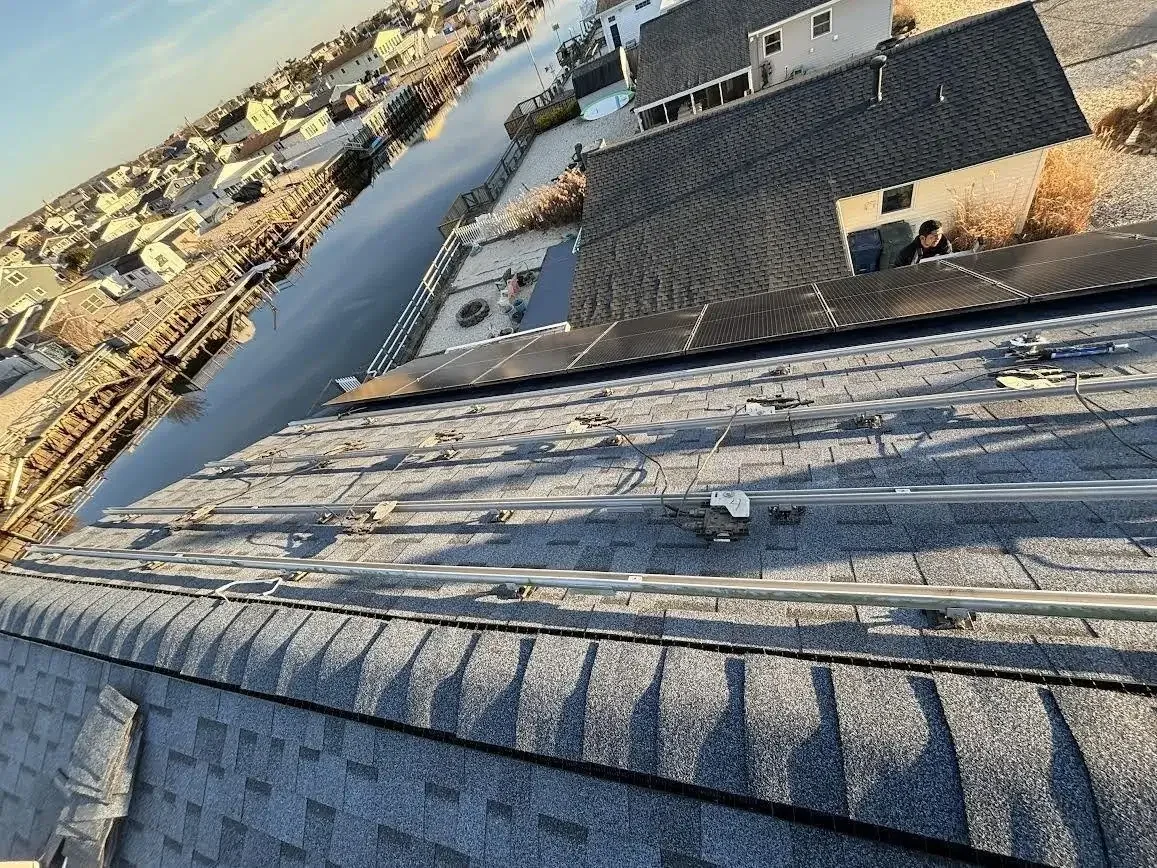
Roof Repair & Replacement with Solar Panels in Little Egg Harbor: Fix Your Roof Without Losing Power
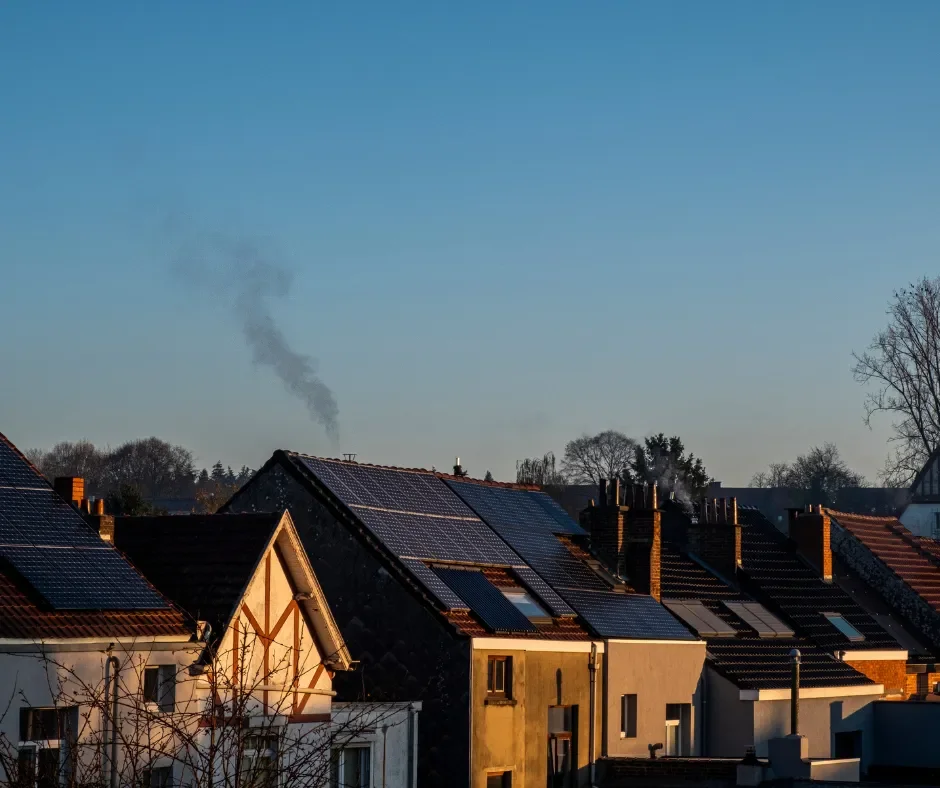
Signs Your Roof Needs Repair Under an Existing Solar Array
Solar panels hide a lot. That's the honest truth. A leak can start under your array and you won't see a single drip for months, because the water travels along the underlayment before it ever shows up on your ceiling.
So what should you watch for? Start inside the house. Brown stains on ceiling tiles, a musty smell in the attic, or soft spots on the drywall near an exterior wall. Any of those near where your panels sit on the roof is a red flag.
Outside, look at the roofing material right around the panel mounts and racking. Salt air along Little Egg Harbor speeds up corrosion on flashing and fasteners, so mounts that looked fine two years ago can loosen faster here than inland. Cracked or curling shingles peeking out from under the array edges, rusted lag bolts, or racking that looks like it's shifted even slightly all point to a problem underneath
Here's a shortlist of things that should get you on the phone with us:
Dark streaks or drip marks on the attic decking below the panels
Granule buildup in gutters right under the array
Panels that seem to sit unevenly compared to when they were installed
A spike in humidity or a musty smell in the attic after storms
Visible rust on mounting brackets or exposed fasteners
We check for all of this during a free roof inspection, and we look at both the roofing and the racking, not just one or the other. That matters because a lot of roofers won't touch the area under an array at all. They'll tell you to call the solar installer, and the solar installer tells you to call a roofer. Nobody wants to touch the panels.
Our team handles both sides in-house, with a licensed electrician on staff for the solar disconnect and reconnect. No back and forth, no runaround. Just a straight answer on what's going on under there.
When You Don't Need a Full Roof Replacement Yet
Not every roof problem means a full tear-off., a lot of what we see doesn't.
Say you've got a few missing shingles after a windstorm blew through Little Egg Harbor. Or a small leak near a vent pipe that's staining your ceiling. Those are repair jobs, not replacement jobs. Nine times out of ten, a targeted repair fixes the issue and buys you years of good life on that roof.
Here's where it gets tricky with solar. If your panels are already installed and you've got a leak, don't assume the whole system has to come off just to patch one spot. In some cases our licensed electrician can access the area and reset a few panels without disturbing the rest of the array. That's a repair, not a replacement.
So how do you know which one you need? Ask yourself a few things: If you answered "one spot" or "recent" to most of those, repair is probably your answer.
Salt air along the shore does speed up wear on flashing and fasteners, that's just reality here. But speeding up wear isn't the same as failure. A roof showing early salt corrosion on metal parts can often get those pieces swapped out without touching the shingles or the solar setup at all.
We won't tell you that you need a new roof just because you called us. A free inspection tells us what's going on, and we'll give you the honest answer, even if that answer is "you're fine for now."
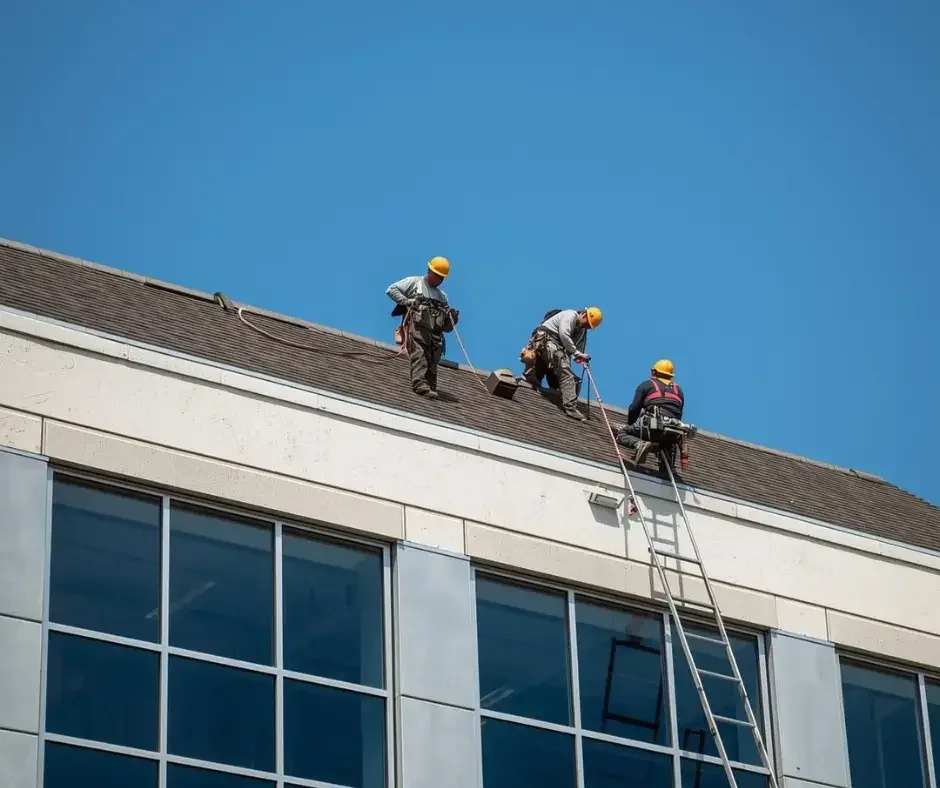
Choosing a Contractor Who Can Handle Both Roofing and Solar
Here's the problem most homeowners run into. Their roofer doesn't touch solar. Their solar company doesn't touch roofing. So when a panel needs to come off for a repair, you're stuck coordinating two different companies and hoping they show up the same week.
We don't work that way. Our team handles the roof and the solar removal and reset, start to finish, with no subcontractors passing the job around.
That matters more than people think. A roofing crew that isn't trained on solar can crack a panel, strip a mounting bolt, or leave wiring exposed to salt air. And a solar installer who isn't a roofer might reset the panels fine but miss a soft spot in the decking underneath. You end up with two half-finished jobs instead of one done right.
Ask any contractor these questions before you hire them:
Do you have a licensed electrician on staff, or do you sub that part out?
Who's responsible if a panel gets damaged during the roof work?
Can one crew do the whole job in one visit?
If they hesitate on any of those, that's worth noting.
We're a GAF Master Elite certified contractor, which puts us in a small group of roofers nationwide. Our electrician is licensed and on staff, not a subcontractor we call in when needed. That's the whole point of doing this in-house. One crew, one visit, one company standing behind the work.
What Drives Cost in a Combined Roof and Solar Project
Every roof and solar job is its own animal. No two are priced the same way, and that's not us being vague. It's just true.
The biggest factor is what's under those panels. If your decking is soft or rotted, that has to get fixed before anything goes back up. We see this every single week on older shore homes where moisture got in years before anyone noticed. Roof age matters too. A roof with one layer of shingles left costs less to work on than one with two or three layers piled up. Panel count and roof size play a big role as well. More panels mean more mounting points, more flashing, more time on the roof. Steep pitches take longer and need more safety gear, so labor runs higher than a simple ranch roof.
Then there's the electrical side. This is where a lot of homeowners get surprised by other companies bringing in outside electricians and adding extra trip fees and delays. We handle that in-house with our own licensed electrician, so the disconnect and reconnect happens on the same schedule as the roof work, not weeks apart. Salt air is its own cost factor here on the water. Racking hardware and flashing near Little Egg Harbor and the back bays corrode faster than inland, so we lean on corrosion-resistant materials, which can shift the cost slightly compared to an inland job. A few other things that move the number:
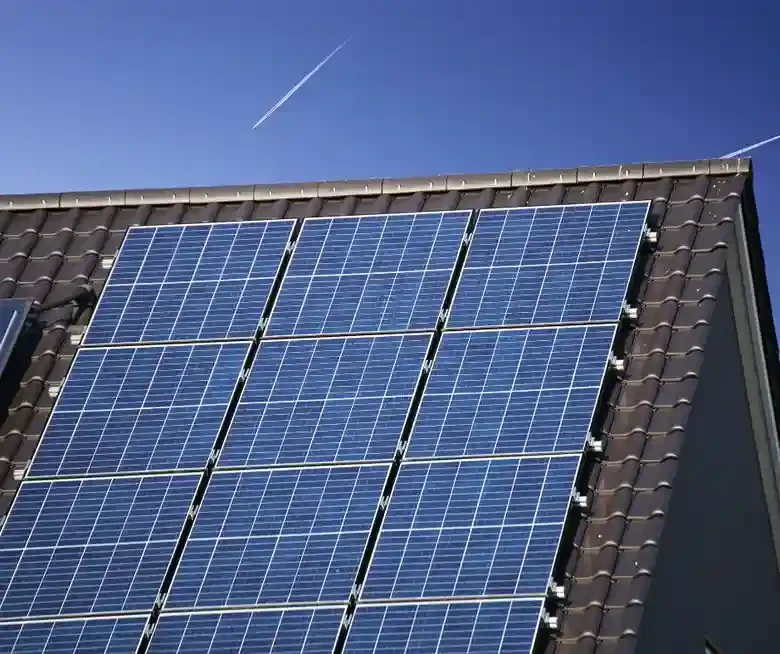
Storm Season Prep for Solar-Equipped Roofs in Little Egg Harbor
Storm season here isn't a maybe. It's a calendar event. And when your roof has solar panels bolted to it, prepping for wind and rain takes more thought than just checking shingles.
Little Egg Harbor sits close enough to the bay and ocean that wind-driven rain finds every weak spot in a roof. Salt air speeds up corrosion on flashing and fasteners, too, so a mount that looked fine last spring can loosen up faster than you'd expect near the water. That's the reality of coastal roofing. We check for it every time we're up there.
Before storm season hits, we look at three things: the roof surface around each panel mount, the flashing where the racking meets the deck, and the wiring conduit running to your inverter. Loose flashing under a solar array is one of the most common leak sources we find. Nine times out of ten, it's not the panel itself causing trouble - it's what's underneath it.
Gutter cleaning matters more than people think, too. Clogged gutters back water up under the edge of the roof, and on a solar-equipped roof that water has fewer places to drain around the array. We handle gutter cleaning as part of storm prep, not as an afterthought.
If a storm does damage your roof, having an in-house licensed electrician on our team means we can safely handle the solar side of things, not just tarp around it and hope for the best. A tarp job that ignores live wiring isn't a safe fix, it's a bigger problem waiting to happen.
Our free roof inspection covers all of this before storm season arrives, and we offer 24/7 emergency service if a storm catches you off guard. Better to know now than find out during a nor'easter.
Frequently Asked Questions (FAQs)
How do I know if a leak is coming from under my solar panels?
Look for brown stains on ceiling tiles, a musty smell in the attic, or granule buildup in your gutters below the array. Water often travels along the underlayment before it shows up as a drip inside your house. That means damage can sit hidden for months. Along Little Egg Harbor, salt air also speeds up rust on mounting brackets and fasteners, so check those too. If you spot any of these signs, call us for a free inspection before the damage spreads further under the panels.
Do I need to remove my solar panels to fix my roof?
Not always. If the damage is limited to one section, our licensed electrician can often reset a few panels to access the spot without touching the rest of your array. This works well for small leaks near vent pipes or storm damage after high winds. Full removal is usually only needed when decking underneath is soft or rotted across a wider area. A free inspection tells us exactly how much of the array needs to move.
What happens during a free roof and solar inspection?
We check both the roofing and the racking, not just one or the other. Our crew looks at flashing, fasteners, and mounting brackets around your panels, plus signs of moisture on the decking below. We also walk your attic for stains or musty smells that point to hidden leaks. You get a straight answer on what's happening, even if that answer is that your roof is fine for now.
Why do roofs with solar panels wear out faster near Little Egg Harbor?
Salt air off the water speeds up corrosion on flashing, lag bolts, and mounting brackets much faster than it would inland. Mounts that looked solid two years ago can loosen sooner here than they would elsewhere. This doesn't always mean roof failure. Often we can swap out corroded metal parts without disturbing your shingles or your solar setup at all, keeping the repair small and the array untouched.
Can one company handle both my roof repair and solar panel work?
Yes, and this saves you from coordinating two separate companies. Many roofers won't touch panels, and many solar installers won't touch roofing decking, so homeowners end up stuck in the middle. Our crew handles the roof, the panel removal, and the electrical disconnect and reconnect in one visit with a licensed electrician on staff. That means one company stands behind the entire job, not two half-finished ones.
How long does a roof repair take when solar panels are involved?
A targeted repair under an existing array usually takes less time than homeowners expect, since we're not removing the whole system. Small leaks near one section, like a vent pipe or a few shifted panels, often get fixed in a single visit. Bigger jobs, like rotted decking under a large array, take longer because every panel in that section has to come off and go back on safely.
Why Choose G.R.M. Roofing?
When it comes to roofing, choosing the right company matters. Here’s why we stand out from the competition:

Experienced Team
Our skilled roofers bring years of
experience and a commitment
to excellence.

High-Quality Materials
We use the best materials available
to ensure long-lasting durability
and reliability.

Customer Satisfaction
We work hard to ensure you're
pleased with the quality and timely
service we provide.