
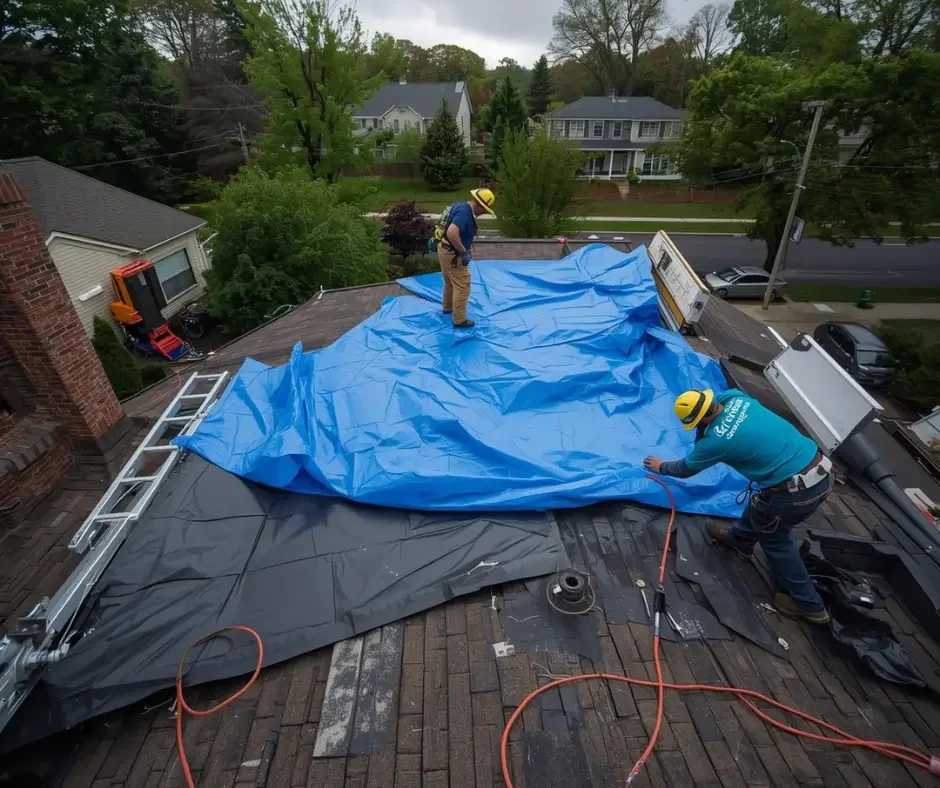
Roof Repair for Storm & Wind Damage in Little Egg Harbor: Fast, Honest Fixes After the Wind Blows
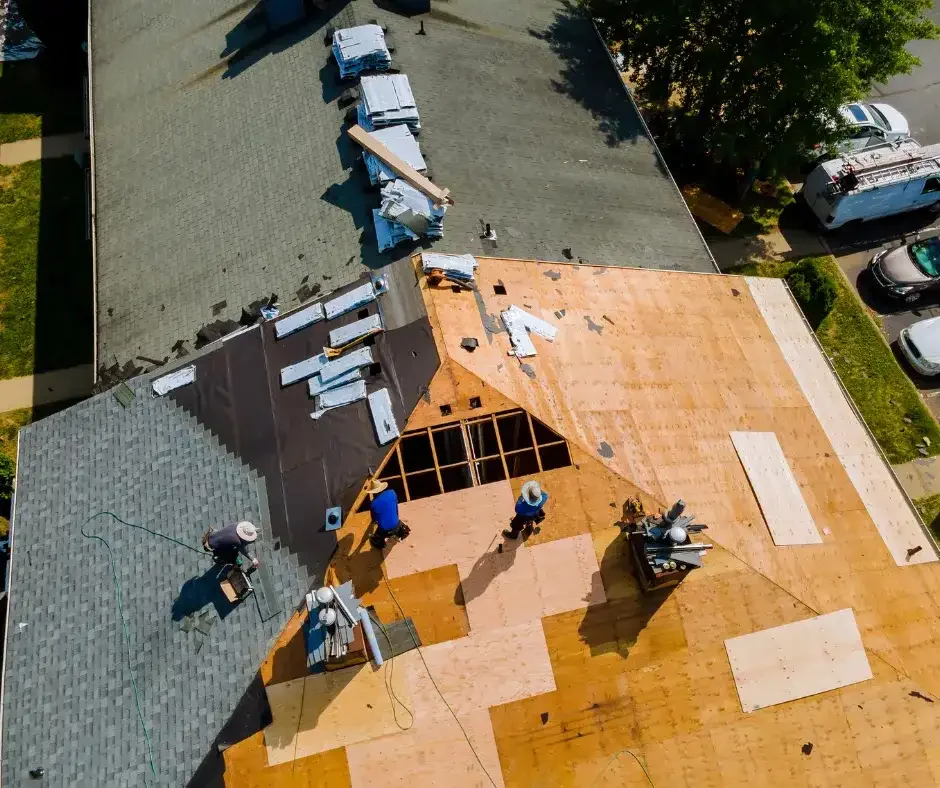
Signs of Wind and Storm Damage on Your Roof
Storms don't always leave a hole in your roof. Sometimes the damage is small, and that's what makes it dangerous. A missing shingle or a soft spot in the decking can turn into a leak weeks later, long after the wind has died down.
Here's what we tell folks to look for after a rough storm rolls through:
Shingles that look curled, cracked, or missing entirely
Granules piling up in your gutters or at the base of downspouts
Soft or spongy spots when you walk the roof line from the ground with binoculars
Water stains on ceilings or damp spots on interior walls after a windy rain
Flashing pulled loose around chimneys, skylights, or vent pipes
We see this every single week during storm season along the shore. Wind off the bay doesn't need to hit hurricane speeds to do damage. Once shingles get old or the seal starts to break down from salt air, even a strong nor'easter can peel them back at the edges.
Homes closer to the water in Little Egg Harbor tend to show wear faster. Salt air breaks down shingle adhesive quicker than it does further inland, so roofs here often need a closer look after wind events than homes even twenty miles west.
Not sure if what you're seeing is storm damage or just normal wear? That's a fair question. Most homeowners can't tell the difference from the ground. A curled shingle from age looks a lot like one that got lifted by wind. That's really the whole point of getting eyes on it before you decide anything.
Schedule a free storm damage inspection today.
When Roof Damage Can Wait (and When It Can't)
Not every storm mark means an emergency. Here's the honest truth, straight from us.
A few missing shingles on a shed roof? That can usually wait a few days. Small granule loss in the gutters after a windy night, same thing. It's cosmetic, not structural, and you've got time to schedule a repair without losing sleep over it.
But some signs mean you need to call now, tonight if you have to. Water stains spreading across your ceiling. Daylight showing through the attic boards. Shingles piled in the yard after a nor'easter blew through. A soft spot when you press on the roof deck from inside the attic. These aren't wait-and-see problems - they're call-us-now problems.
Here's a scenario we hear a lot. A homeowner notices a small drip during a storm, figures it's minor, waits two weeks to call. By then water's traveled along the rafters and shown up somewhere completely different, insulation's soaked, and what was a simple shingle repair turns into a bigger job. Often, the damage you can't see is worse than what you can.
So how do you know for sure? Most homeowners can't tell from the ground. That's exactly why we offer a free roof inspection and free estimate. No pressure, no guessing. We climb up, check the deck, check the flashing, and give you a straight answer on whether this waits or needs action today.
If you're standing there wondering whether it's a big deal or not, that uncertainty alone is worth a phone call. It costs you nothing to find out. And if it turns out to be nothing, great, you'll sleep easier knowing your roof's fine.
Storm Damage Roof Inspections in Little Egg Harbor
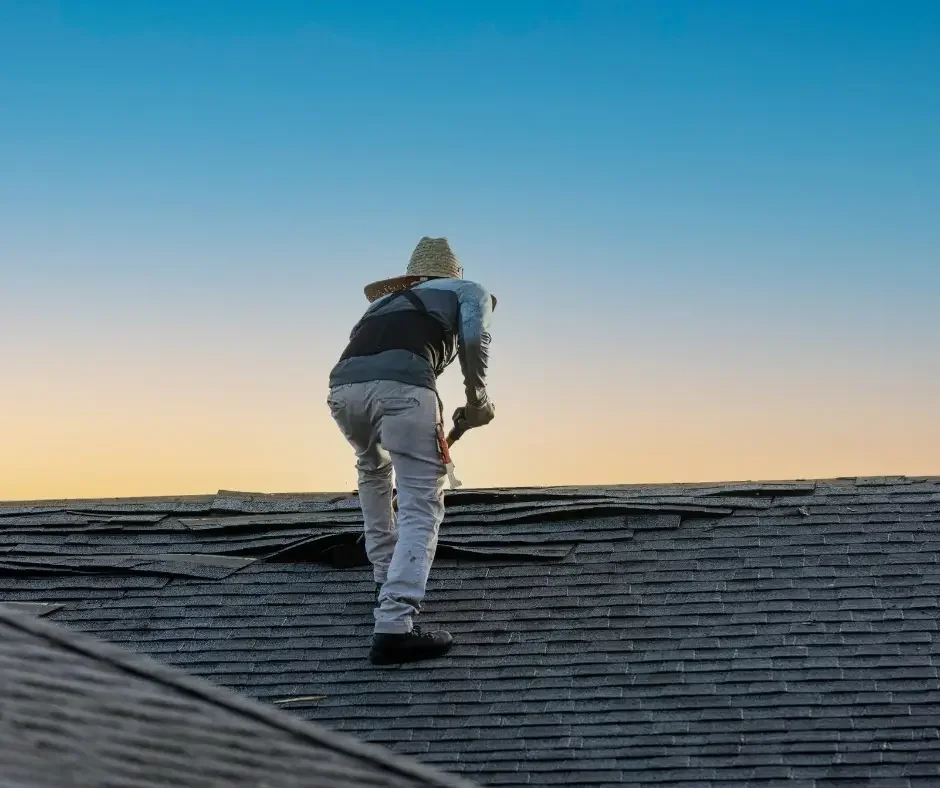
A bad storm rolls through and now you're staring at your roof from the driveway, wondering if that's a missing shingle or just a shadow. You can't always tell from the ground. That's the whole problem with storm damage - it hides.
Wind doesn't always rip a roof apart in one dramatic gust. More often it works the edges loose, lifts a corner, cracks a seal. Little Egg Harbor sits right off the bay, and that salt air combined with steady coastal wind speeds up wear on shingles that are already stressed from a storm. A roof that looked fine last month can start leaking after one nor'easter pushes water under a lifted tab.
We offer a free roof inspection after any storm, and we mean it's free even if you decide not to do anything about what we find. Our team walks the roof, not just the yard. We check the ridge line, the flashing around chimneys and vents, the valleys where water pools, and the gutter line for granule buildup that signals shingle wear.
Here's what we're looking for up there:
Lifted, cracked, or missing shingles along roof edges and ridges
Soft spots or sagging in the decking underneath
Bent or lifted flashing around chimneys, skylights, and pipes
Granule loss in gutters or downspouts after heavy rain
Loose or exposed nails from wind uplift
Often, homeowners call us about one visible spot, and we end up finding two or three more issues nearby. Wind damage rarely stays in one place. So we document everything with photos, explain what we see in plain terms, and give you an honest estimate before any work starts. No pressure, no upsell. Just a clear picture of where things stand.
Emergency Tarping and Repair for Active Leaks
A storm rips through, and now you've got water coming through the ceiling. That's not a wait-and-see problem. That's a right-now problem.
Once wind damage opens up your roof, every hour of rain makes it worse. Water finds insulation, drywall, wiring. It doesn't stop at the hole. So the first move isn't a full repair, it's stopping the bleeding fast.
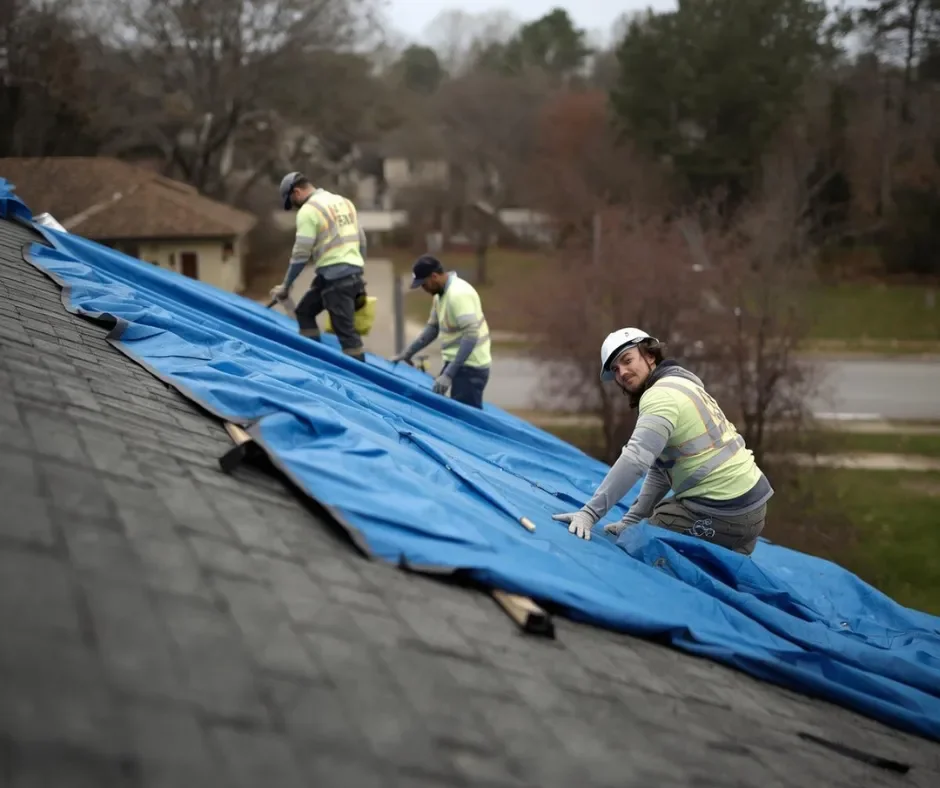
We offer emergency roof tarping to get your home covered and dry while we plan the real fix. A tarp is a temporary shield, not a repair. But it buys you time and keeps a bad situation from turning into a gutted ceiling and a mold problem.
Homes along the canals in Mystic Island take a beating during nor'easters, with wind-driven rain pushing sideways under loose shingles and flashing. We see it after almost every big blow. A missing shingle or lifted ridge cap doesn't look like much from the ground. From inside your attic, it's a different story.
Here's what active leak response usually looks like:
We get out to your home and find the entry point, not just the drip spot
We tarp the damaged section to stop water intrusion right away
We check the attic and decking for soaked or weakened areas
We schedule the permanent repair once the storm clears
You call, we come look, we tarp it. That's the order.
Our 24/7 emergency service covers exactly this kind of moment, the middle-of-the-night call when a leak just started and you don't know how bad it'll get. Don't wait until morning to figure out if it's serious. Usually, the sooner we tarp it, the less you end up paying to fix inside your home later.
Storm Repairs on Roofs With Solar Panels
Solar panels change the whole game after a storm. A high wind event can shift the mounting hardware, flashing pulls loose underneath, and now you've got water finding its way into the roof deck right where the panels sit. We see this a lot on newer homes near the bay side of Little Egg Harbor, where salt air already works on metal fasteners and a storm just speeds up the damage.
Here's the problem most roofers run into: they can inspect the roof, but they can't safely touch the solar system. That means calling a separate electrician, waiting on their schedule, then waiting again for the roofer to come back. Every day that panel sits loose or that flashing stays open, more water gets in.
We handle it differently. Our team includes a licensed electrician on staff, so we can detach the solar panels ourselves, fix the actual roof damage underneath, and reset the panels once the repair's done. No middleman, no second appointment, no gap where your roof sits exposed.
This matters more than people think. A roof with solar panels has extra penetration points, extra wiring, and extra hardware bolted through the decking. Storm damage in that area needs someone who understands both the roofing side and the electrical side.
Not sure if your panels were affected? Look for loose wiring near the mounts, panels sitting at a different angle than before, or water stains on the ceiling below the array. Any of those, and it's worth a look.
We offer a free roof inspection and a free estimate, and that includes checking the solar mounts and flashing, not just the shingles around them.
Frequently Asked Questions (FAQs)
How fast can you get someone out after a storm hits Little Egg Harbor?
We aim to get out to homes with active leaks the same day, especially during storm season along the shore. Every hour water sits in your attic makes the damage worse, so we prioritize emergency calls first. If your roof is just showing minor wear like a few missing shingles on a shed, we can usually schedule that within a few days. Call us and tell us what you're seeing, and we'll tell you how urgent it is.
What happens when your team shows up for a storm damage inspection?
We walk the actual roof, not just the yard, checking the ridge line, flashing around chimneys and vents, and valleys where water pools. We also check gutters for granule buildup, which signals shingle wear from wind. You'll get photos of everything we find and a plain-language explanation, no jargon. Often we spot two or three issues near the one spot you called about, since wind damage rarely stays in one place. The inspection and estimate are free, even if you decide not to move forward.
Why do roofs near the water in Little Egg Harbor wear out faster?
Salt air breaks down shingle adhesive quicker than it does further inland, so roofs here often need closer attention after wind events. Homes along the canals in Mystic Island take a real beating during nor'easters, with wind-driven rain pushing sideways under loose shingles and flashing. A roof that looked fine last month can start leaking after one storm pushes water under a lifted tab. That's why we recommend a check-up after any strong coastal wind, not just after obvious hurricanes.
How do I know if my roof damage is an emergency or if it can wait?
Water stains spreading on your ceiling, daylight showing through attic boards, or shingles piled in your yard mean you should call right away. A few missing shingles on a shed roof or minor granule loss in the gutters can usually wait a few days for a scheduled repair. If you're unsure, that uncertainty alone is worth a call. We'd rather check it out for free and tell you it's nothing than have you wait and end up with a bigger problem.
What should I do if my roof is actively leaking right now?
Call us first, then place a bucket or towels to protect your floors while you wait. We offer emergency roof tarping to stop water from reaching insulation, drywall, and wiring while we plan the permanent fix. A tarp is a temporary shield, not a repair, but it buys time and keeps a small leak from turning into a gutted ceiling. Once things are stable, we'll walk the roof and give you a straight estimate for the real repair.
Can I tell if my shingles were damaged by wind or just old age?
Most homeowners can't tell the difference from the ground, and that's a fair problem to have. A curled shingle from age looks a lot like one lifted by wind, but only a close inspection tells you which one you're dealing with. That's the whole reason we offer a free storm damage inspection. We climb up, check the deck and flashing, and give you an honest answer instead of a guess.
Why Choose G.R.M. Roofing?
When it comes to roofing, choosing the right company matters. Here’s why we stand out from the competition:

Experienced Team
Our skilled roofers bring years of
experience and a commitment
to excellence.

High-Quality Materials
We use the best materials available
to ensure long-lasting durability
and reliability.

Customer Satisfaction
We work hard to ensure you're
pleased with the quality and timely
service we provide.